China, long recognized as the world’s largest emitter of greenhouse gases, is showing early signs that its emissions levels may be beginning to shift. This development is drawing attention globally as countries intensify their efforts to combat climate change. Understanding the factors contributing to this potential turning point and its implications for international climate goals is crucial for policymakers, environmental advocates, and citizens alike.
Over recent decades, China’s swift industrial development has placed it at the leading edge of worldwide emissions. Propelled by industries reliant on coal and urban growth, the nation has played a key role in climate dialogues. Nonetheless, new data indicates that emissions might be leveling off or even decreasing—marking a noteworthy shift from past patterns.
Several elements are contributing to this shift. First, China’s stated ambition to peak carbon emissions before 2030 and achieve carbon neutrality by 2060 has spurred government policies aimed at reducing reliance on fossil fuels. These policies have fueled the development and adoption of renewable energy sources such as solar, wind, and hydropower. As a result, China has become the global leader in renewable energy capacity.
Additionally, China’s economy is slowly moving from a focus on heavy industry to a concentration on technology, services, and consumer-oriented expansion. This economic transformation naturally diminishes the reliance on manufacturing that consumes a lot of energy, resulting in a reduced carbon footprint. The government’s focus on energy efficiency and advancements in clean technology has also contributed to the reduction of emissions.
The decrease in coal usage is another influential element. Although coal continues to play a major role in China’s energy portfolio, its presence has been consistently shrinking as investments in more sustainable energy resources grow. Initiatives to retire outdated, inefficient coal power stations and to enforce tougher emissions standards on current facilities are speeding up this change.
The disruption caused by the COVID-19 pandemic led to a unique yet short-lived decrease in emissions driven by a slowdown in industrial operations. Although a recovery was anticipated as economies resumed, the emissions levels in China have not climbed back to the rates seen before the pandemic, indicating that more lasting structural transformations might be taking place.
Electric vehicles (EVs) are crucial in the context of China’s emissions situation. Being the leading market globally for EVs, China has introduced policies and financial incentives that have notably increased the manufacturing and use of electric cars, trucks, and buses. This transition is slowly decreasing the nation’s transportation emissions.
China’s dedication to worldwide climate agreements, among them the Paris Agreement, highlights its involvement in global environmental collaboration. By committing to reaching peak emissions and putting resources into green technology, China has established itself as both a major obstacle and a crucial ally in the battle against climate change.
Nevertheless, challenges remain. China’s vast energy usage, continued coal dependence, and the requirement for economic stability pose intricate challenges. Furthermore, regional differences imply that although certain provinces progress in adopting renewable energy, others still rely on conventional energy sources.
Sustaining the decreases in emissions will necessitate ongoing policy implementation, creativity, and worldwide cooperation. Specialists caution that short-term declines, although promising, should be succeeded by enduring strategies that promote comprehensive transformation. Openness, regular data sharing, and global alliances will be crucial in guaranteeing responsibility and advancement.
China’s actions carry global significance. As the largest emitter, its emissions trajectory will heavily influence whether international climate goals—such as limiting global warming to 1.5 degrees Celsius—can be achieved. Every reduction in emissions from China contributes substantially to the global carbon budget.
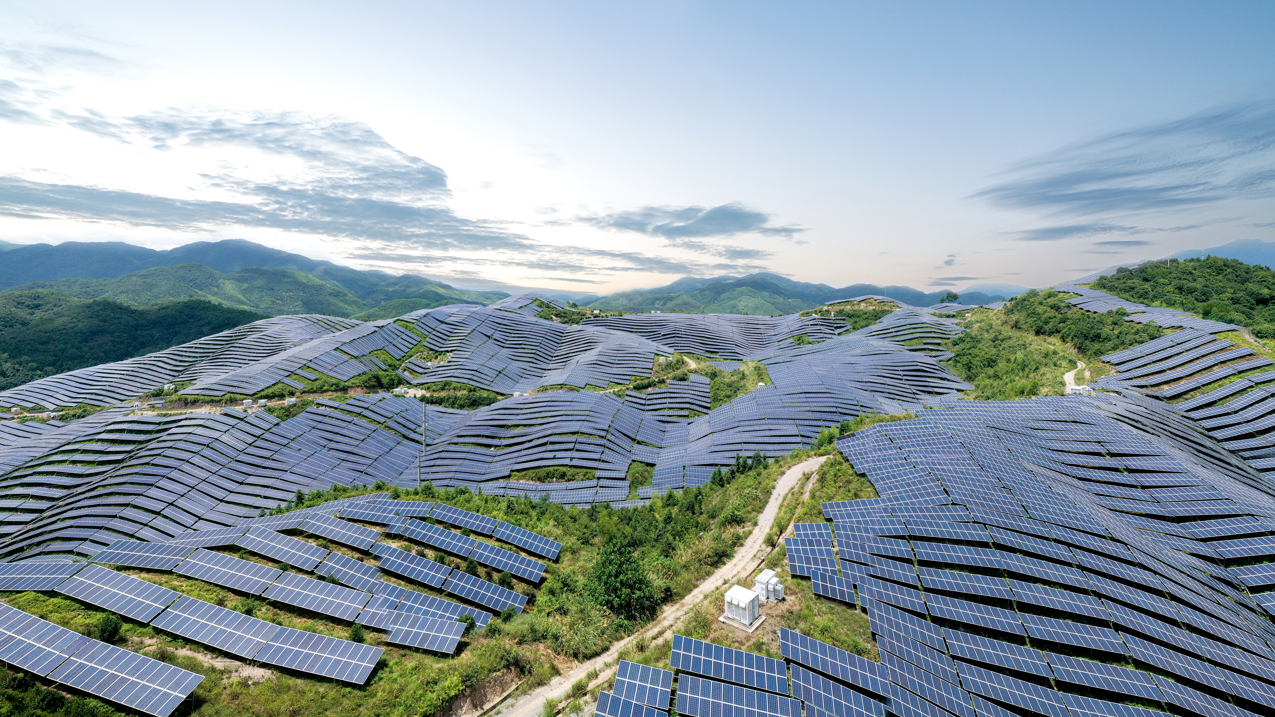
In order to facilitate this change, China is committing resources to significant renewable energy infrastructure, such as vast solar installations and offshore wind initiatives. These projects not only decrease reliance on fossil fuels but also establish China as a frontrunner in delivering clean energy technology to other countries.
The introduction of China’s national emissions trading system (ETS) marks a significant progression. Starting with the energy sector, the ETS aims to broaden its scope to encompass additional industries, offering economic motivation for reducing emissions via market-based approaches. These actions indicate an increasing acknowledgment of the financial advantages tied to environmental accountability.
Advancements in energy storage technology, including battery development and smart grid integration, further enhance the feasibility of renewable energy dominance. Ensuring that clean energy sources can provide stable and reliable power is a key component of China’s transition.
Public attitudes towards environmental protection are also evolving in China. Growing awareness of air pollution and its health impacts has spurred greater public demand for cleaner air and stronger environmental policies. This cultural shift adds pressure on local and national governments to accelerate green initiatives.
Globally, China’s emissions trajectory affects not only environmental outcomes but also economic relations. As countries implement “green tariffs” and prioritize sustainability in trade agreements, China’s progress in reducing emissions may influence its competitiveness and diplomatic standing.
Looking forward, achieving China’s ambitious emissions targets will require coordinated action across multiple sectors—industry, transportation, energy, and urban development. Government leadership, private sector innovation, and public engagement will all be essential components of success.
Regularly tracking progress through transparent reporting and embracing international cooperation can strengthen these efforts. Joint research, technology sharing, and collaborative financing for clean energy projects are avenues through which China and other nations can work together to meet global climate goals.
Although the possibility of reduced carbon emissions in China is a promising sign, the path to consistent decreases is still in progress. Maintaining attention on clean energy, advancements in technology, policy execution, and global cooperation will decide if this pattern continues and its influence on the larger struggle against climate change. The global gaze is directed at China, acknowledging that its measures are crucial for ensuring a sustainable and climate-resilient future for everyone.