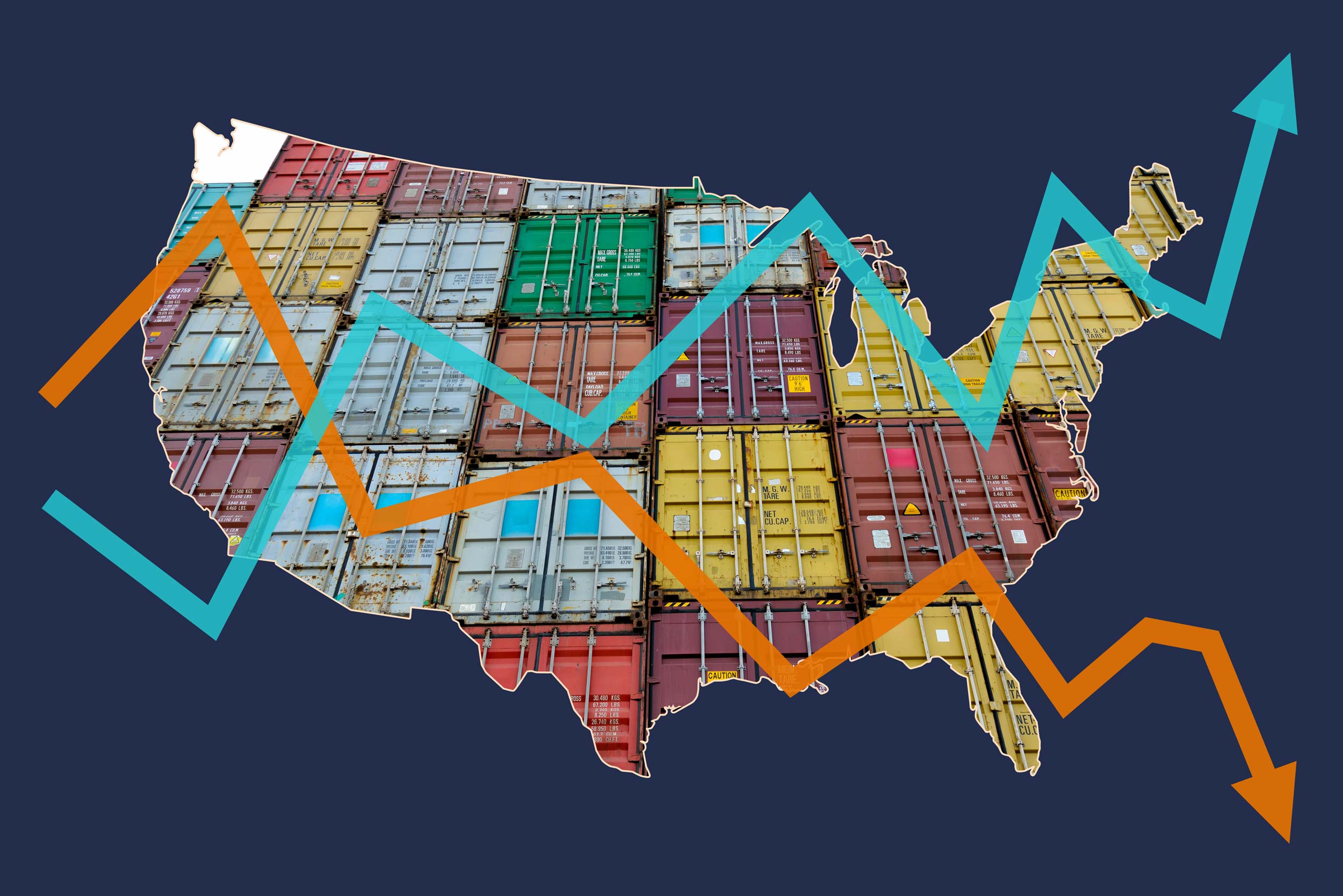
Consumers are starting to notice the effect of tariffs as costs for daily products and necessary items begin to increase. Economists point out that this might be the start of a larger economic change. The consequences of tariffs, initially considered a measure for safeguarding local industries, are now impacting the finances of regular families, raising worries about impending inflation and the steadiness of the economy.
The application of tariffs—essentially taxes on imported goods—has long been a contentious issue in global trade policy. Governments use them to encourage the consumption of locally produced goods and to level the playing field for domestic industries facing competition from cheaper foreign imports. While these measures can offer protection to certain sectors, the broader economic consequences are often far-reaching and complex.
In recent months, a series of tariffs targeting key imports such as metals, electronics, machinery, and consumer goods have begun to translate into higher prices at both the wholesale and retail levels. For businesses that rely on imported materials or products, these added costs often leave them with a difficult choice: absorb the additional expense, which cuts into profits, or pass it on to consumers in the form of higher prices.
Many companies, especially within the realms of manufacturing, construction, and retail, have opted for the latter approach, leading to significant hikes in the prices of goods spanning from electronics and vehicles to common household products. This pattern is currently mirrored in inflation statistics, with numerous nations noting an increase in consumer price indexes, which is in part due to the application of tariffs.
The motives driving the current surge in tariffs differ depending on the country and political circumstances. In certain situations, tariffs are implemented to tackle persistent trade disparities or as a response to perceived unjust trade actions. In alternative contexts, they serve as components of larger geopolitical tactics designed to affirm economic sovereignty or safeguard critical industries deemed essential for national security.
No matter the reason, companies that rely on global supply networks have experienced a rise in operational expenses. Sectors that are highly dependent on foreign parts, like electronics, automotive, and construction, are especially at risk. These industries have already seen increased production costs, which, when shifted to consumers, may lead to elevated prices for various products and services.
Small and medium-sized businesses are also feeling the pressure. Unlike large multinational corporations, which may have the resources to absorb cost increases or shift supply chains, smaller enterprises often have limited flexibility. This means they are more likely to pass costs directly to consumers or risk going out of business altogether. This dynamic not only affects consumer prices but also has potential implications for employment and local economies.
For households, the impact of rising prices due to tariffs is beginning to be felt in subtle but significant ways. Shoppers are noticing higher costs for everyday essentials, from groceries and clothing to electronics and home appliances. Over time, these incremental increases can add up, straining household budgets, particularly for middle- and lower-income families.
Economists emphasize that the effects of tariffs are not confined to price hikes alone. They can also influence market behavior, investment decisions, and global supply chain dynamics. For example, manufacturers might choose to relocate production facilities to avoid tariffs, which can create economic uncertainty and disrupt established trade relationships.
Furthermore, when nations partake in mutual tariff actions—implementing duties as reactions to the measures of one another—it may lead to trade disagreements that affect the global economic landscape. Previous trade issues have demonstrated that these eye-for-an-eye tactics can result in enduring economic consequences, such as diminished growth, market fluctuations, and a decrease in global collaboration.
One of the areas paying close attention to the circumstances is the farming sector. In numerous instances, exports of agricultural goods have been entangled in trade conflicts, resulting in decreased demand for farming products in crucial global markets. This impacts farmers’ earnings and also leads to economic instability in rural areas that rely significantly on agricultural commerce.
Energy prices, too, could be affected by tariffs, especially in markets where fuel, raw materials, or components for energy infrastructure are subject to import duties. This could lead to increased costs for electricity and transportation, further amplifying the inflationary effects on consumers.
To mitigate some of the negative consequences of tariffs, governments may consider implementing targeted relief measures or subsidies for affected industries. However, such measures come with their own challenges, including the potential for increased public spending and the difficulty of ensuring that assistance reaches the most vulnerable sectors.
Financial markets are also keeping a close eye on the developments. Investors typically view tariff-related trade tensions as risk factors that can influence stock market performance, currency values, and investment flows. Prolonged uncertainty over tariffs can erode business confidence, delay investments, and disrupt financial stability.
Some policymakers argue that tariffs are a necessary short-term tool to achieve longer-term economic goals, such as reducing dependence on imports, stimulating domestic manufacturing, or addressing national security concerns. However, the economic data suggests that achieving these outcomes without broader negative effects is extremely challenging.
Global organizations such as the World Trade Organization and the International Monetary Fund have consistently warned against the overuse of protectionist measures, cautioning that they can backfire by slowing global economic growth and increasing costs for all parties involved.
The ultimate impact of the current tariff landscape will depend on several factors: the duration of the tariffs, the possibility of negotiated trade agreements, and the adaptability of businesses and consumers. If tariffs are lifted or reduced through diplomatic negotiations, some of the inflationary pressures could ease. Conversely, if new tariffs are introduced or existing ones are expanded, the economic strain is likely to deepen.
From the perspective of a consumer, paying close attention to expenditures and seeking ways to save money can mitigate some impacts of increasing costs. By making informed shopping decisions, evaluating price differences, and postponing non-essential buys, families can better manage the current economic situation.
Simultaneously, industry executives are advocating for increased communication among governments, commercial entities, and trade organizations to identify equitable solutions that safeguard national interests while avoiding unnecessary damage to consumers and the larger economy.
The scenario is still evolving, with numerous economists urging close observation of pricing patterns and consumer habits in the upcoming months. As the complete impacts of tariffs persist in developing, it’s evident that companies and consumers alike will have to stay flexible and well-informed.
What is clear is that the dialogue about tariffs is not limited to political debates in governmental chambers anymore—it has become a part of the daily experience for countless individuals. As costs keep escalating, the aspiration is that joint approaches can be developed to secure economic stability, safeguard jobs, and uphold the equilibrium between domestic priorities and international collaboration.