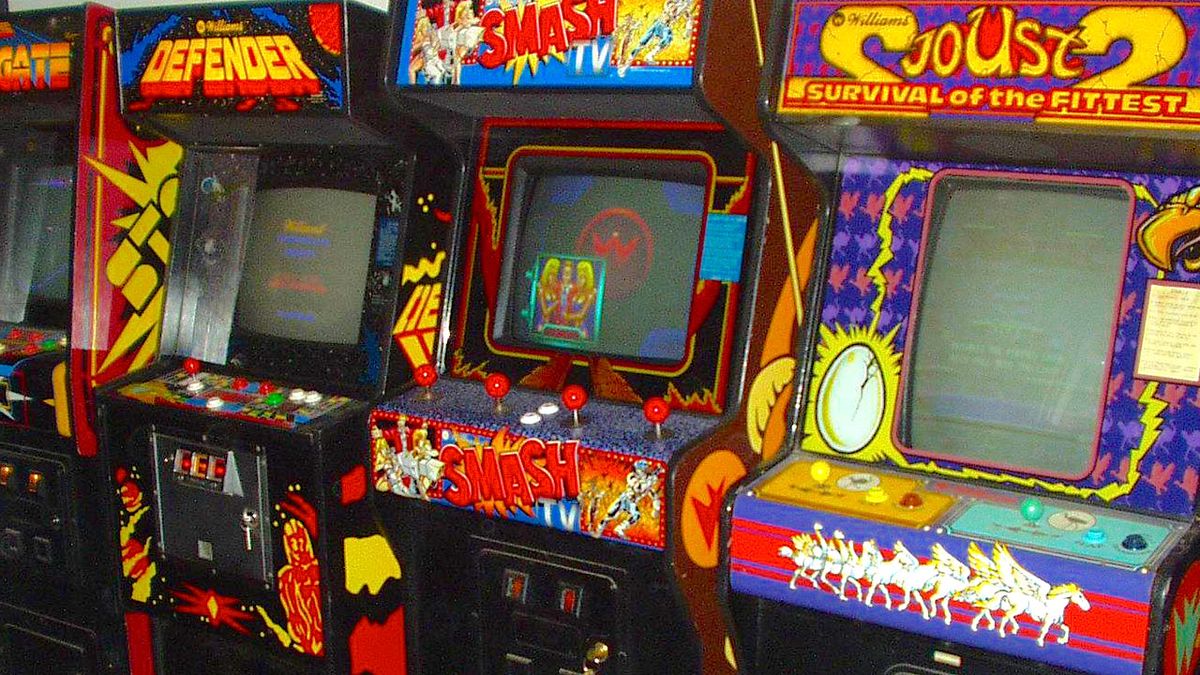
In an era dominated by hyper-realistic graphics and online multiplayer games, there’s something uniquely comforting about the pixelated nostalgia of retro gaming. For many, these arcades offer more than just entertainment—they represent cherished memories and a connection to a simpler time in gaming history. One such venue, which had stood as a beloved destination for classic game enthusiasts, recently faced the threat of imminent closure. But thanks to a groundswell of community support, it managed to keep the lights on and its joysticks moving—at least for now.
The arcade had long been a fixture in its local area, drawing in patrons of all ages with its flashing neon signs, rows of vintage machines, and familiar 8-bit soundtracks echoing through its space. Titles like Pac-Man, Street Fighter II, and Donkey Kong weren’t just games—they were cultural milestones, lovingly preserved and made available for newcomers and lifelong fans alike. Yet despite its cultural value, the business struggled to remain financially viable in today’s competitive entertainment market.
The difficulties that retro arcades encounter are not unfamiliar. Increasing expenses, changes in customer behavior, and the prevalence of home video game systems and mobile applications have all played a role in the worldwide decrease of arcades. For standalone establishments, particularly those focused on the upkeep and restoration of vintage equipment, the challenges can be immense. In this situation, several months of diminished customer visits and rising costs nearly led the arcade to closure.
News of the potential closure quickly spread across social media and local news outlets, sparking a wave of concern among supporters. For many, the arcade wasn’t just a business—it was part of the community fabric. Parents who once played there as teenagers now brought their own children to experience the games they grew up with. Couples had their first dates surrounded by the glow of arcade cabinets. Friends gathered there for tournaments, birthday parties, and casual fun. The idea of losing such a space hit home for many.
That emotional bond led to tangible actions. Locals, gaming fans, and even ex-staff members united to support the arcade’s survival. Fundraising efforts began, attracting contributions nationwide. Certain individuals committed to regular donations for ongoing costs, while others offered their time and expertise for repairs, promotions, or organizing events. This cooperative endeavor was not merely about raising funds—it transformed into a mission to safeguard a part of common cultural heritage.
Local businesses also participated in the initiative by providing sponsorships or setting up fundraising events to highlight the challenges faced by the arcade. Events such as retro gaming nights, trivia competitions, and themed parties attracted fresh visitors, boosting enthusiasm for the establishment. During this time, the arcade’s team started considering innovative ways to align with current consumer trends, like introducing membership options, organizing private gatherings, or including contemporary indie games along with the traditional ones.
The immediate danger of shutting down has been avoided, yet the future path is still unclear. Although the wave of assistance provided enough stability for short-term functioning, the arcade’s future hinges on achieving sustainable advancement and ongoing community involvement. The proprietors have admitted the necessity for creativity, understanding that keeping nostalgia alive demands adaptation to current trends.
Este escenario pone de relieve una tendencia más amplia en la conservación de experiencias de entretenimiento analógicas. En todo el mundo, salones recreativos, autocines y cines antiguos están luchando por mantenerse operativos en un mundo cada vez más dominado por la conveniencia y el consumo digital. Su continuidad a menudo depende no solo de la rentabilidad, sino también del deseo de las comunidades de respaldarlos como instituciones vivas.
There’s a reason why vintage video gaming still captivates loyal followers, even in an era dominated by virtual reality and games enhanced by artificial intelligence. The tactile sensation of pressing an arcade button, the exciting competition of a one-on-one match, and the colorful charm of pixel graphics provide a distinct type of enjoyment that can be absent in contemporary gaming. These activities are inherently human—communal, engaging, and sensory—and they create connections across different age groups.
The saved arcade now stands as a testament to what can be accomplished when passion and community align. It’s a story of resilience, of people coming together not just to save a building or a business, but to preserve memories, experiences, and a sense of place. The lesson is clear: when something meaningful is at risk, people will step forward to protect it.
Looking ahead, the arcade’s management is focused on turning this momentum into a sustainable business model. That includes forging partnerships with schools and youth organizations to promote gaming history, collaborating with local artists and musicians for themed nights, and integrating educational elements into the space, such as coding workshops or interactive exhibits about the evolution of video games.
The path from almost shutting down to finding new purpose has been challenging, yet it has revived interest and brought a fresh appreciation for the arcade’s significance. It involves more than just playing vintage games—it’s about maintaining a culture, respecting history, and adjusting to a future where entertainment becomes more digital and widespread.
Mientras haya jugadores dispuestos a insertar una moneda en una máquina y presionar “inicio”, existe una oportunidad para que los salones de juegos retro sigan vivos. Probablemente nunca volverán a ser el centro de la industria del entretenimiento, pero su papel como refugios nostálgicos y referencias culturales sigue siendo crucial. El reciente salvamento de este arcade en particular actúa tanto como un triunfo como un recordatorio: algunas cosas merecen ser defendidas, juego por juego.