The trucking industry, a cornerstone of global logistics and supply chains, is undergoing a transformation. From automation and artificial intelligence to clean energy initiatives and advanced telematics, new technologies are reshaping how freight moves across highways and through cities. However, this evolution is not without its challenges. While innovation promises increased efficiency and cost savings, it also sparks concerns around job security, regulatory adaptation, and the practicalities of implementation.
Many professionals in the field feel torn between the appeal of modern operations and the challenges of implementing them practically. As businesses, drivers, and regulators strive to find their way through this unpredictable area, the connection between the trucking industry and technological advancements stays optimistic yet careful.
In the past few years, nearly every industry has experienced digital change, and the trucking industry is not left out. Companies managing vehicle fleets are putting money into a variety of technologies, including software for automated dispatch, GPS systems, tools for predicting maintenance needs, and real-time data analysis. These innovations aim to make routes more efficient, reduce downtime, and offer insights for better decision-making.
Yet for all the benefits, adoption is not universal. Smaller operators, which make up a significant portion of the industry, often lack the financial resources or technical infrastructure to keep up. The up-front costs of tech upgrades, coupled with ongoing maintenance and training, pose barriers that can slow the pace of adoption.
Many fleet supervisors take on innovation step-by-step, weighing the need to modernize against the challenges of slim profits, a lack of drivers, and varying fuel expenses. This cautious strategy mirrors a wider reluctance in the industry to completely embrace transformation without solid evidence of success.
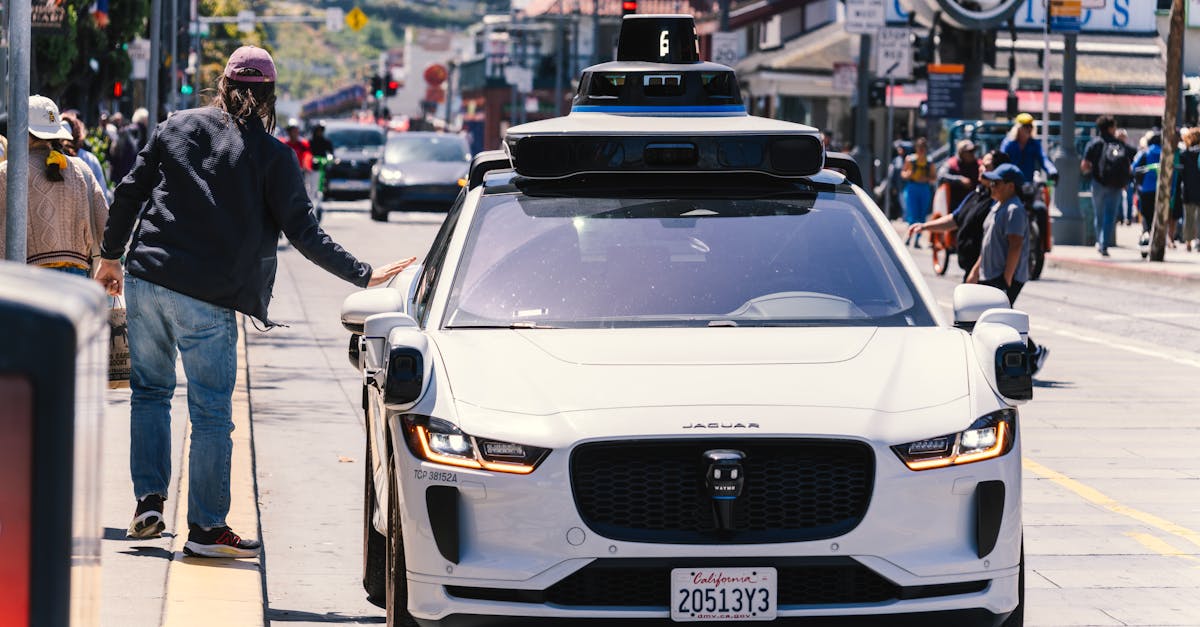
An area of significant discussion in the trucking industry is the technology behind self-operating vehicles. Although trucks that drive themselves are mainly being tested at present, the possible effects are substantial. Supporters argue that these vehicles could transform long-distance trucking by lowering expenses related to labor, minimizing mistakes made by humans, and permitting continuous transportation without requiring breaks.
However, these promises are met with legitimate concerns—especially among drivers. With millions of people employed in trucking across North America and beyond, the idea of widespread automation raises fears of job displacement. While many experts predict that human drivers will remain critical for complex urban routes and last-mile delivery, there is uncertainty about how their roles might evolve in a more automated future.
Industry leaders are also weighing the regulatory and ethical dimensions of this technology. Questions around liability in accidents, system failures, and safety standards remain unresolved. Until these challenges are addressed through cohesive policy and real-world testing, autonomous trucks are likely to coexist with traditional vehicles, rather than replace them entirely.
Environmental demands are also encouraging the trucking sector to adopt more sustainable practices. Electric vehicles are becoming popular as a way to lower greenhouse gas emissions and comply with tougher environmental guidelines. Leading producers have introduced electric versions designed for short-distance city routes, and some large carriers are initiating trial programs.
Despite the excitement, significant hurdles remain. Charging infrastructure for heavy-duty vehicles is still underdeveloped, and the range limitations of current battery technology pose problems for long-distance hauling. Additionally, the cost of electric trucks is currently higher than that of traditional diesel models, making the transition financially burdensome for many carriers.
Government incentives and business sustainability goals are supporting initial adoption, but achieving a widespread transition will need collaborative actions from both public and private sectors. The industry’s journey with alternative fuels such as compressed natural gas (CNG) and hydrogen provides insights into the lengthy and sometimes complex path toward more eco-friendly transportation.
Telematics systems are now essential in fleet management. By gathering and examining data from vehicles as it happens, these systems offer understanding into driver actions, fuel usage, engine performance, and additional factors. With this information, businesses can streamline operations, cut expenses, and improve safety.
However, this surge in connectivity brings its own set of complications. Managing vast volumes of data requires robust IT infrastructure, skilled personnel, and strict cybersecurity measures. Smaller fleets, in particular, may struggle to extract meaningful value from their telematics systems without dedicated support.
Privacy concerns are also emerging as a key issue. Drivers may feel that constant monitoring erodes their autonomy and trust. Balancing transparency with respect for individual privacy is becoming a critical aspect of implementing these tools responsibly.
As technology advances faster than legislation, the trucking industry finds itself in a regulatory gray area. Policymakers are working to catch up, but inconsistencies across states, provinces, and countries complicate the rollout of new systems. Whether it’s setting standards for autonomous vehicles, defining emissions targets for electric trucks, or regulating the use of driver data, regulatory frameworks must evolve alongside innovation.
Industry associations and lobbying groups are calling for clearer guidelines, streamlined processes, and funding programs to support modernization. Without these, many believe that progress will remain fragmented and slower than necessary.
Another important component is workforce training. As technology becomes more integrated into everyday tasks, drivers and support personnel must learn new skills. From operating sophisticated navigation tools to diagnosing electric powertrains, today’s truck driver’s role has become more technologically advanced than ever.
Training initiatives, whether within the organization or from external sources, are being crafted to address these evolving needs. Nonetheless, continuous learning necessitates time, resources, and dedication—elements that may be challenging to synchronize during times of economic instability.
Fostering a culture of continuous learning will be essential as the industry transitions to a more digital and sustainable model. Those who can bridge the gap between traditional knowledge and modern technology will likely lead the sector into the future.
The path forward for the trucking industry is not about choosing between old and new—it’s about finding the balance. Integrating technology into such a vast and complex ecosystem requires collaboration between stakeholders: companies, regulators, drivers, developers, and the public.
Innovation opens up amazing possibilities, such as enhanced safety, greater efficiency, environmental care, and intelligent logistics. However, these advantages will only be realized if the implementation is considerate, inclusive, and attentive to the needs of all stakeholders.
As the trucking sector continues to grapple with both promise and pressure, the focus should remain on building a future that combines the best of human expertise with the capabilities of modern technology. With deliberate steps and shared goals, the industry can evolve without losing its most valuable asset: the people who keep it moving.