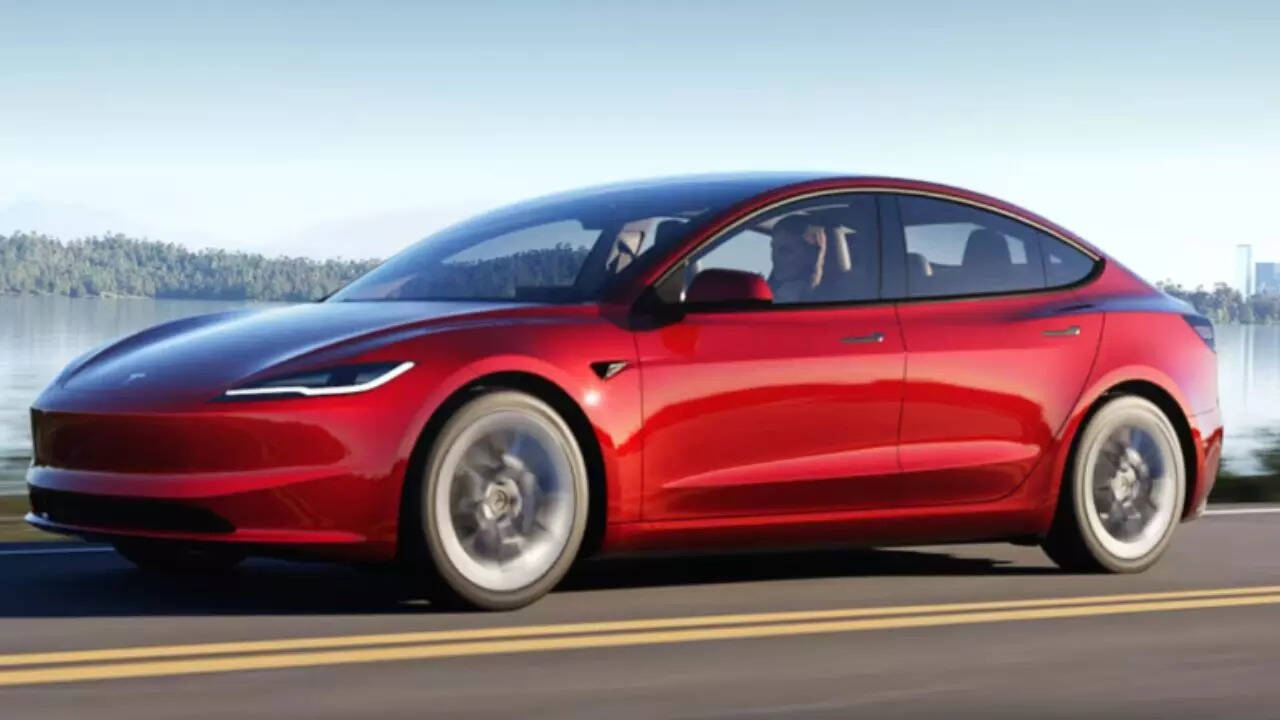
The car industry has been maneuvering through an uncertain environment in recent years, characterized by disruptions in supply chains, varying material expenses, and changes in consumer preferences. As automakers get ready to launch the 2026 model series, a key question persists among both consumers and market experts: Is this the time when substantial price increases will become a reality?
For much of the last decade, new vehicle prices have climbed steadily, driven by factors such as technological innovation, regulatory requirements, and heightened consumer expectations for safety and comfort. However, recent inflationary pressures and global economic uncertainties have added new layers of complexity to pricing strategies. While automakers have been cautious about passing the full burden of rising production costs onto consumers, the release of the next model year could signal a turning point.
The fundamental forces affecting car prices
Several forces have been building behind the scenes, creating a perfect storm for potential cost increases. First, raw materials essential for modern vehicles—such as lithium for electric batteries, steel for chassis components, and semiconductors for advanced electronics—remain in high demand. Although some supply chain bottlenecks have eased since the height of the pandemic, the balance between supply and demand remains fragile.
Additionally, regulatory frameworks around the world are tightening emissions and fuel efficiency standards. To meet these requirements, automakers are investing heavily in electrification, hybrid systems, and advanced powertrains. While these innovations support sustainability goals and appeal to eco-conscious consumers, they also add substantial costs to vehicle development.
The increasing impact of electric cars
Another significant factor influencing pricing dynamics is the rapid transition towards electric vehicles (EVs). Car manufacturers are hastening to broaden their range of EVs, a step that demands not only advanced technologies but also completely new production methods and infrastructure. Establishing battery factories, modifying assembly lines, and obtaining mineral resources all entail considerable initial costs.
Although certain producers have managed some of these expenses to gain a foothold in the market, there is an escalating demand to make EV sales profitable. This demand might lead to elevated price tags, particularly as government and state benefits for buying EVs become less accommodating in the near future.
Consumer preferences and premium features
Consumer expectations have evolved dramatically, with many buyers seeking advanced technology, connectivity, and luxury-like amenities even in entry-level models. Features such as large touchscreen displays, driver-assistance systems, and premium sound systems are no longer confined to high-end trims—they are becoming standard across much of the market.
While these enhancements enhance comfort and safety, they also contribute to higher production costs. Automakers face the delicate challenge of balancing these expectations with affordability, a task that becomes increasingly complex in a competitive market.
The economic backdrop and interest rates
Macroeconomic conditions further complicate the outlook. High interest rates and persistent inflation have already placed strain on household budgets, making big-ticket purchases like cars more difficult for many consumers. Lenders have tightened credit standards, and average loan terms have extended to offset rising monthly payments.
If automakers push significant price hikes onto the 2026 lineup, it could further dampen demand, particularly in price-sensitive segments. As a result, some brands may adopt a more strategic approach, spreading increases gradually over multiple model years rather than implementing sharp adjustments all at once.
What buyers might anticipate
For buyers hoping for a reprieve, the reality is that modest price increases are almost inevitable. However, the extent of these hikes will likely vary by brand, segment, and powertrain type. Mainstream sedans and compact SUVs may see relatively smaller adjustments, while high-demand models, luxury vehicles, and cutting-edge EVs could experience more noticeable increases.
To mitigate the impact, some manufacturers are introducing new leasing options, subscription models, and certified pre-owned programs to maintain accessibility. Additionally, as technology continues to advance, the used-car market is evolving, offering budget-conscious buyers a broader range of feature-rich vehicles at lower price points.
Although no official statements have been made to verify substantial price hikes for 2026 models, the blend of increasing manufacturing expenses, changing regulations, and the desire for innovative technology among consumers suggests that price increases are very probable. Potential buyers may benefit from forward-thinking actions, such as securing early financing, examining current stock, or investigating different ownership models, to effectively manage the upcoming automotive pricing trends.
Si manufacturers handle these adjustments with care, the market may achieve equilibrium between technological advancement and cost-effectiveness. However, at present, both industry analysts and buyers are attentively monitoring the developments in vehicle pricing expected in 2026.