Comprehending the Core of a Fashion Editorial
A style feature is a creative and visual depiction of fashion through images and storytelling, commonly found in both print and online magazines. In contrast to commercial content or standard fashion presentations, a style feature aims to convey an intriguing tale, highlighting clothing, accessories, and other design elements. This artistic endeavor involves a collaboration of different specialists, including photographers, stylists, models, and art directors, to create a cohesive narrative that engages and inspires the audience.
The Structure of a Fashion Editorial
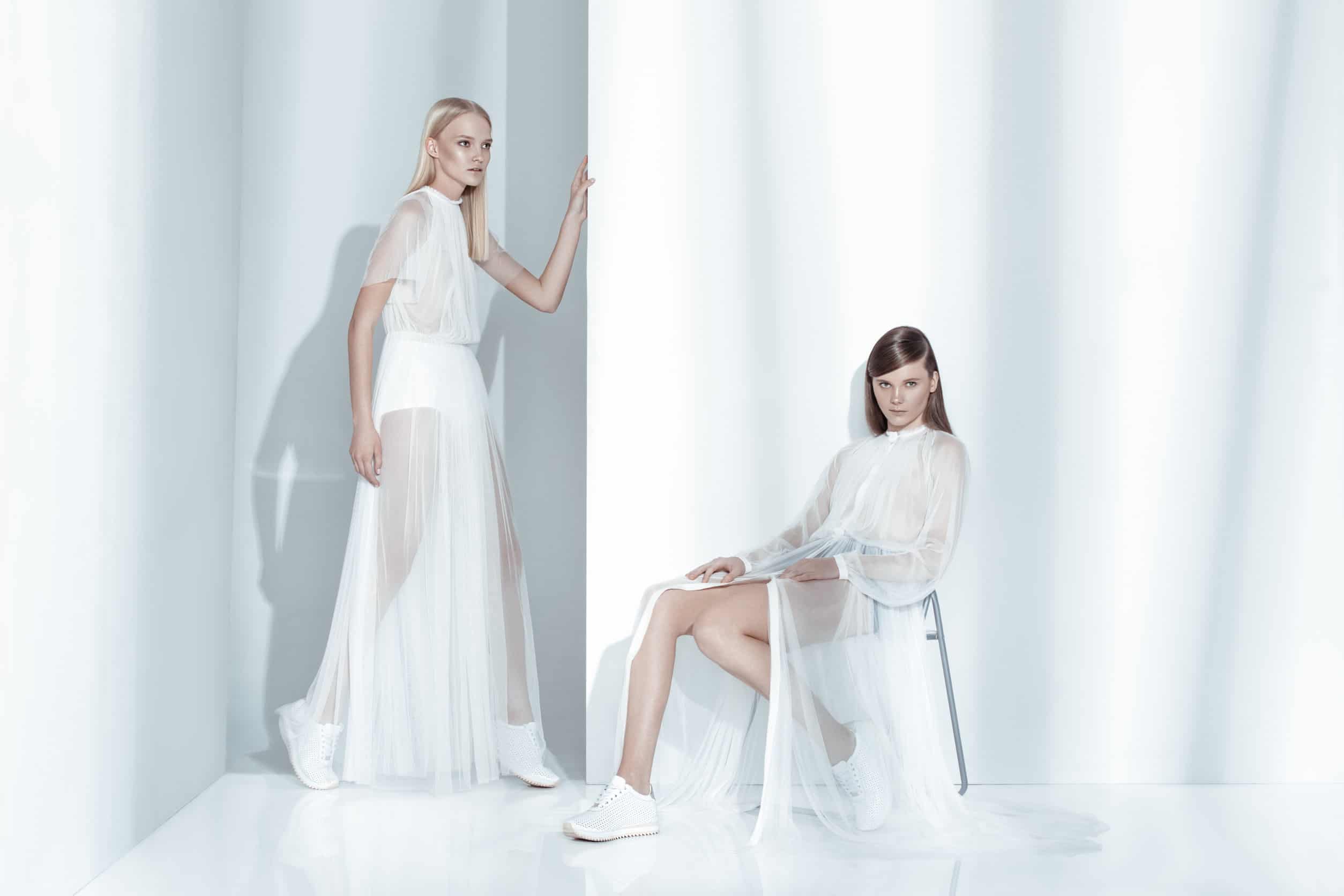
At the heart of a fashion editorial, the structure consists of multiple essential elements that collectively form a cohesive narrative. A successful editorial typically incorporates an engaging theme or idea that guides the visual and stylistic decisions. Themes might span seasonal fashions, cultural impacts, historical allusions, or solely creative storylines. For instance, an editorial might take place in a futuristic dystopia, merging striking metallic shades with cutting-edge fashion items.
Every photography session in an editorial functions as a section of the narrative, carefully organized to match the overall idea. The stylist is essential in choosing outfits and accessories that complement the concept, while the photographer portrays the atmosphere through imaginative composition, lighting, and perspectives. An example is Annie Leibovitz, a well-known fashion photographer, recognized for her talent in bringing emotion and storytelling richness to her editorials, transforming each photograph into a visual work of art.
The Role of Fashion Editorials in the Industry
The function of fashion editorials within the industry holds multiple dimensions. Primarily, they offer a platform for brands to showcase their collections in settings that highlight their unique aesthetic. By distancing fashion from the runway, editorials allow designers to express their concepts in meticulously crafted environments, often leading to influential trends and styles.
Furthermore, editorials play a crucial role in influencing consumer opinions and aspirations. By showcasing fashion in compelling environments, they evoke emotional responses and spark cultural discussions. The British Vogue edition from October 2018, for example, included a wide array of models and striking themes, mirroring the evolving societal views on inclusivity in fashion.
Fashion editorials serve as a catalyst for creativity and new ideas. They often highlight fresh talents, such as up-and-coming designers, photographers, or models, thus consistently revitalizing the industry. The complex teamwork among different creatives encourages innovation and challenges the limits of conventional fashion narratives.
Illustrative Studies and Impact on History
Looking back at some iconic fashion editorials, it is evident how they have not only shaped fashion but also mirrored societal changes. In the 1970s, the editorial work featured in magazines like Harper’s Bazaar captured the spirit of liberation and rebellion. The imagery was bold and the fashion groundbreaking, coinciding with women’s increasing autonomy and freedom of expression.
En la era moderna, la edición de julio de 2008 de Vogue Italia llamada “Black Issue” se destacó como una poderosa manifestación contra la ausencia de representación en la industria de la moda. Centrándose exclusivamente en modelos negras, celebró su atractivo e influencia, generando debates globales sobre inclusión en el sector de la moda.
Crafting a Lasting Impression
A style editorial transcends mere beautiful pictures; it embodies a lively synergy of creativity, cultural elements, and narrative. It possesses the potential to motivate, sway opinions, and question the conventions of the fashion industry. With carefully selected themes and creative visual narration, style editorials make a lasting impact, igniting new trends and influencing the course of fashion in understated yet significant manners. By exploring editorials, individuals not only enjoy their visual allure but also develop an understanding of the changing fashion and societal environment.