Is the U.S. Losing Its Global Leadership?
The United States has played a pivotal role in shaping the modern world order since the mid-20th century. Emerging from World War II as the only major power with its infrastructure intact, the U.S. established itself as a leader in economic, military, technological, and cultural spheres. The Bretton Woods system, the founding of the United Nations, and the Marshall Plan all positioned the United States at the center of global diplomacy and economics. Through institutions like the International Monetary Fund and the World Bank, as well as the extensive reach of American media and technology, the U.S. became synonymous with innovation, liberal democracy, and security.
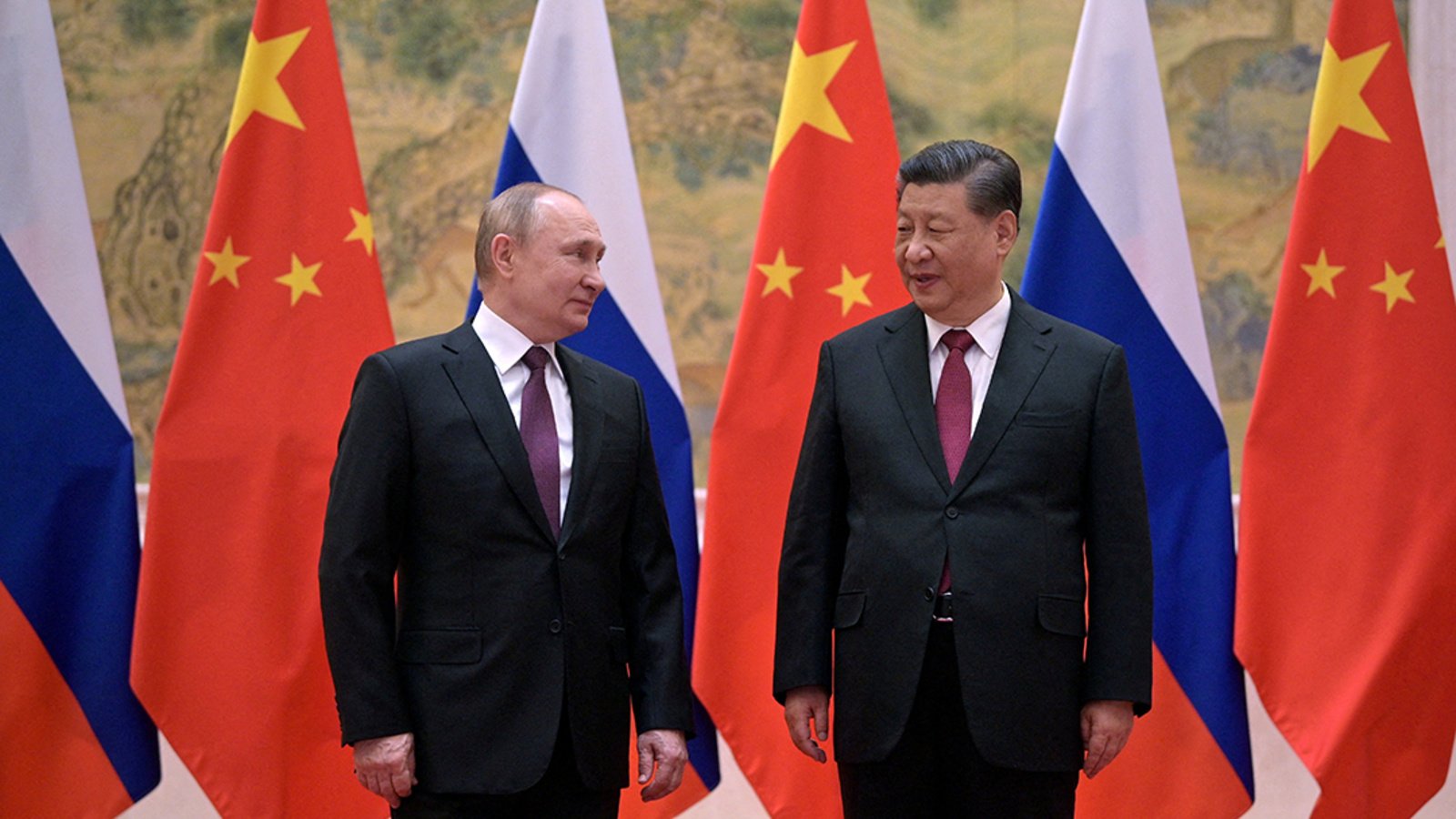
In recent decades, however, several international trends have called into question the continuity of America’s global preeminence. First, the rise of China as an economic powerhouse has introduced tangible competition. According to the World Bank, China became the world’s largest exporter in 2009 and, by 2022, accounted for nearly 18% of global GDP based on purchasing power parity. Initiatives such as the Belt and Road Initiative have expanded Beijing’s influence across Asia, Africa, and Latin America, challenging traditional U.S. dominance in these regions.
While Russia’s re-emergence as a powerful regional force, if not a global one, is evident in conflicts from Georgia and Crimea to Ukraine, it highlights increasing multipolarity. Despite being frequently hindered by internal disagreements, the European Union aims to establish strategic independence, exploring options to reduce dependence on American leadership in both security and digital infrastructure.
Non-state actors and transnational challenges have further complicated U.S. leadership. Issues such as climate change, cyber threats, and the global COVID-19 pandemic have exposed weaknesses in international coordination. The Trump administration’s unilateral approach—exemplified by withdrawal from the Paris Agreement and the Trans-Pacific Partnership—led many analysts to argue that U.S. leadership was waning, at least temporarily.
Economic Indicators and Technological Competition
Economically, the United States maintains the world’s largest nominal GDP and a technological ecosystem unmatched in its depth and dynamism. Silicon Valley remains a global hub for innovation in artificial intelligence, quantum computing, and biotech. However, China’s rapid advancements in 5G, semiconductor technologies, and electric vehicles have reduced the technology gap.
The U.S. dollar continues to act as the main world reserve currency, supporting the financial strength of the United States. Recently, nations such as China and Russia have been trying to establish alternatives—even if they are still in their infancy—which shows an intention to encourage multipolar finance. A case in point is the addition of the Chinese yuan to the International Monetary Fund’s Special Drawing Rights basket in 2016, which was a meaningful yet symbolic move.
Defensive Stance and Strategic Adjustments
From a military perspective, the U.S. retains the largest defense budget globally, spending more than the next ten countries combined as of 2023. With strategic alliances such as NATO and the AUKUS pact, the United States exerts considerable influence over security matters in both Europe and the Indo-Pacific. However, prolonged conflicts in Iraq and Afghanistan revealed limits to American power projection and affected global perceptions of U.S. reliability.
La retirada de Afganistán en 2021, por ejemplo, generó un extenso debate sobre el compromiso de EE.UU. con sus aliados. Los socios expresaron inquietudes acerca de una posible indecisión estratégica, mientras que los adversarios especularon sobre una disminución en la determinación estadounidense. En contraste, el firme respaldo a Ucrania tras la invasión de Rusia en 2022 ha reafirmado el papel clave de Washington en la protección del orden mundial, aunque también ha puesto de relieve la dependencia de las garantías de seguridad estadounidenses.
The Influence of American Soft Power
Cultural and institutional influence continues to be a major asset for the United States. American universities attract top talent worldwide, and Hollywood, digital platforms, and music industries project American values globally. Social media giants headquartered in the United States shape narratives and trends in every corner of the world.
Nevertheless, segments of global society question aspects of U.S. culture, particularly issues around inequality, social justice, and democratic norms. Periods of domestic unrest, such as the events surrounding the 2021 Capitol attack, have been cited by international observers as symptoms of a challenged liberal democratic order.
Assessment of Global Leadership: Relative Decline or Transformation?
Evaluating if the U.S. is diminishing in global leadership calls for a detailed examination rather than straightforward dichotomies. In terms of military, economic, and technological influence, no individual adversary has equaled the combined might of the United States. However, the rise of peer competitors, weakening of alliance unity, and the more intricate character of global issues suggest a shift in the concept of leadership. Instead of single-handed dominance, the world may be transitioning to a more diversified system where regional forces gain independence.
Examples are numerous: India’s pursuit of strategic nonalignment, Turkey’s aspirations in its region, and the emergence of international groups like BRICS demonstrate the inclination of countries to widen their diplomatic choices. At the same time, appeals for changes in global governance bodies show displeasure with a framework still primarily influenced by America’s post-war objectives.
Reflective Overview
The trajectory of American leadership remains influential but is no longer unchallenged or singular. Both strengths and vulnerabilities coexist: unrivaled hard power stands alongside persistent questions about domestic unity and the effectiveness of international engagement. The U.S. continues to serve as a reference point—at times a partner, at times a competitor—for countries navigating a rapidly evolving geopolitical landscape. The interplay of resilience, adaptation, and competition will define not only the future of U.S. global role but also the contours of world order in the 21st century.