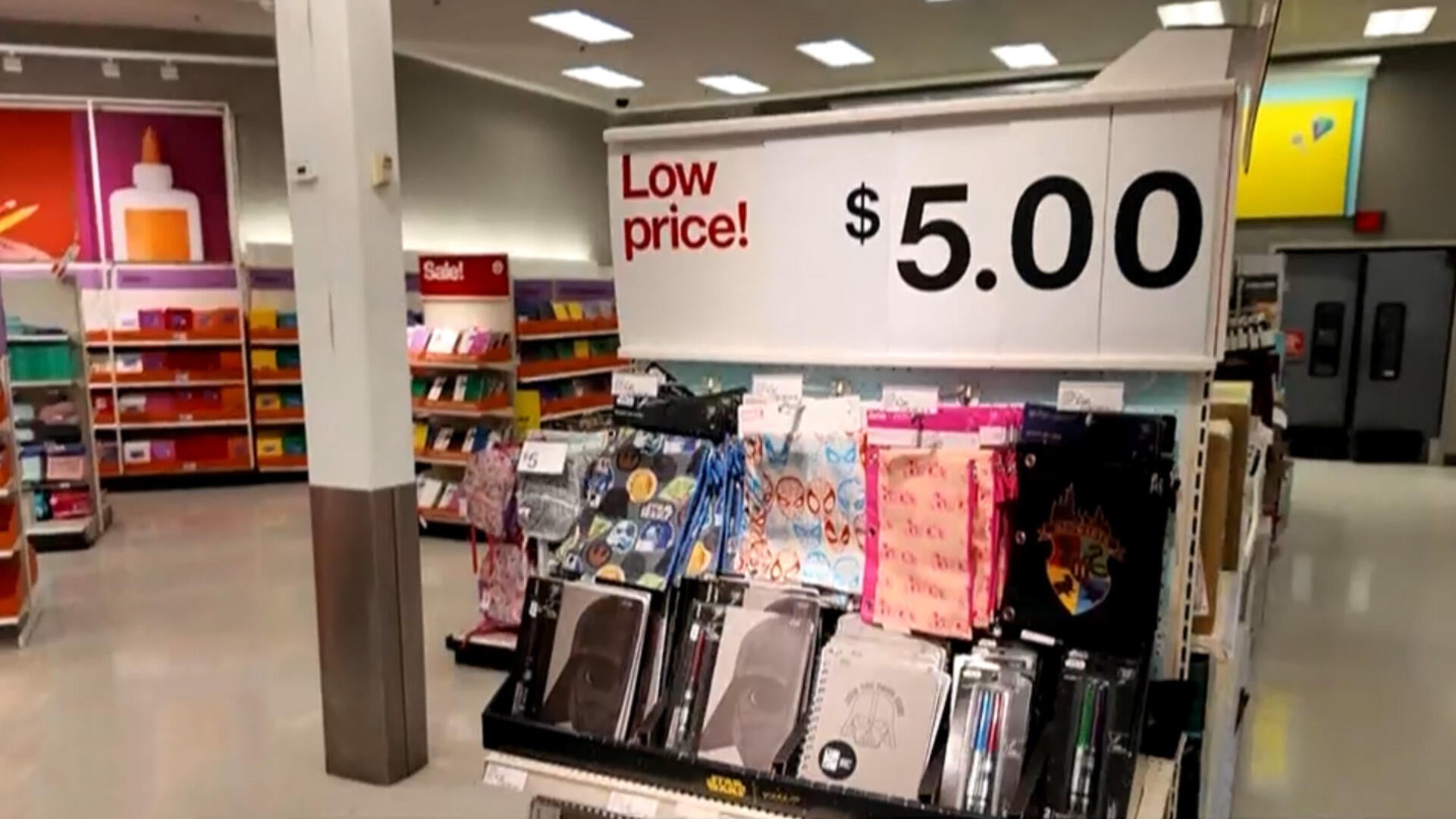
As the back-to-school season approaches, many families find themselves facing increased expenses on school supplies, clothing, technology, and extracurricular essentials. The financial burden can add up quickly, especially for households with multiple students. However, with careful planning and smart shopping techniques, parents can significantly reduce costs without compromising quality or readiness for the academic year.
One highly efficient method to handle costs is by beginning with a thorough inventory. Prior to shopping, evaluate what you already possess at home. Frequently, materials such as notebooks, pens, and folders from prior years remain usable. Understanding what’s on hand enables families to bypass unneeded spending and concentrate solely on necessities.
Timing is another key factor. While many assume that shopping early guarantees the best deals, this isn’t always true. Retailers often roll out progressive discounts as the season advances, especially during tax-free weekends in certain states. Taking advantage of these periods can lead to substantial savings on everything from clothing to electronics.
Moreover, it’s crucial to evaluate prices among various retailers. With the help of online tools and applications, identifying the locations with the lowest prices has become more straightforward than ever. Certain stores also provide price-match assurances, making sure you never spend more than required.
Bulk purchasing can be an excellent strategy, particularly for families with more than one child. Items like paper, pencils, and glue sticks are typically cheaper when bought in larger quantities. If buying in bulk isn’t feasible for one household, consider teaming up with friends or neighbors to split costs while still benefiting from volume discounts.
Thrift stores and secondhand shops are increasingly popular for back-to-school clothing. Children often outgrow clothes quickly, making pre-owned options an affordable and sustainable choice. Many resale shops carry high-quality or even brand-name clothing at a fraction of the retail price.
Technology is another significant expense for many families. Before investing in new devices, check if your child’s school provides equipment or offers discounts through educational programs. Certified refurbished laptops and tablets can also provide a reliable and cost-effective alternative to brand-new models.
Coupons, cashback apps, and loyalty programs should not be overlooked. Many retailers offer digital coupons through their apps, and cashback services can return a percentage of your purchase, adding up over time.
Finally, teaching children about budgeting can turn the shopping experience into a valuable learning opportunity. Setting a spending limit encourages kids to prioritize needs over wants, fostering financial responsibility from an early age.
By planning ahead, leveraging discounts, and exploring alternatives, families can make the back-to-school season more affordable. With these strategies, parents can ensure their children have everything they need for success without overspending.