A study suggests that a volcanic eruption might have set off the Black Death
Recent studies suggest that a colossal volcanic eruption during the mid-14th century might have triggered a series of events culminating in the Black Death, one of the most lethal pandemics in human history. By integrating climate data from tree rings, ice cores, and historical documents, researchers are illuminating how environmental and societal elements converged to form an ideal scenario for the plague.
Researchers have extensively examined the Black Death, which devastated Europe from 1347 to 1351, resulting in the deaths of at least 25 million individuals—approximately half of the continent’s population at that period. Although the involvement of the plague bacterium, Yersinia pestis is well documented, the factors that facilitated the rapid spread of the disease have been less understood. The recent study, featured in Communications Earth & Environment, indicates that an extraordinary mix of volcanic activity, climate disruption, and trade networks might have played a crucial role in triggering the pandemic.
A fiery volcanic ignition
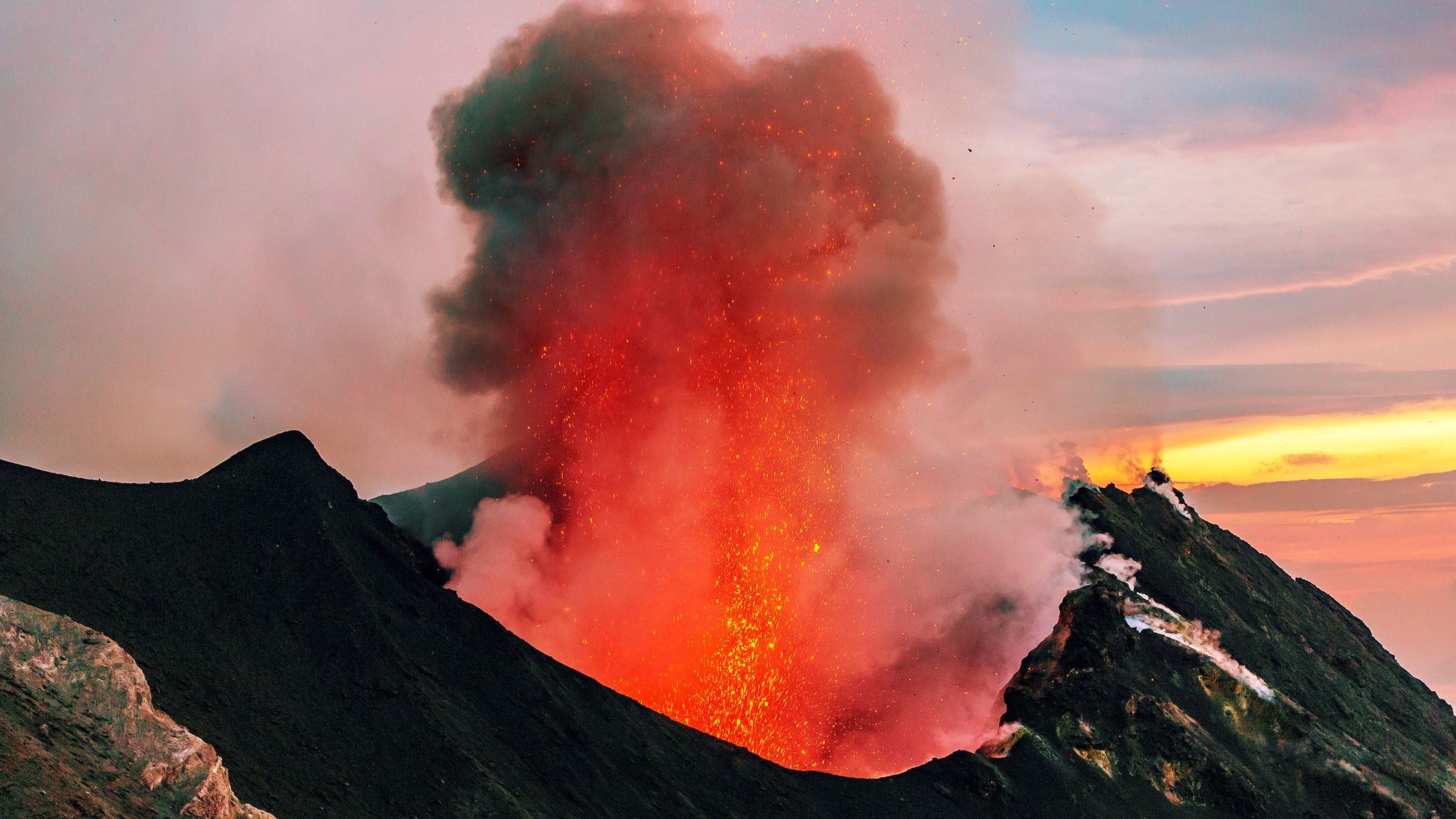
The research team identified evidence pointing to a significant volcanic eruption around 1345, approximately two years before the first documented outbreak of the Black Death. Although the precise location remains uncertain, the eruption—or possibly a cluster of eruptions—likely occurred in the tropics. The resulting volcanic haze would have partially blocked sunlight across Europe and the Mediterranean region, triggering cooler temperatures and successive years of poor harvests.
This abrupt climatic decline likely led to extensive agricultural failures, compelling Italian city-states like Venice and Genoa to bring in substantial amounts of grain from the Black Sea area. Although these imports eased the immediate threat of famine, they unintentionally served as a channel for disease. Fleas harboring Yersinia pestis, which mainly infects rodents, journeyed on these vessels and eventually spread the plague to humans.
“The bacterium responsible for the plague infects fleas that typically live on rats. When these primary hosts perish, the fleas then target humans,” stated Martin Bauch, a historian specializing in medieval climate and epidemiology at the Leibniz Institute in Germany and coauthor of the study. “Fleas are capable of surviving on grain dust for extended periods, enabling them to withstand lengthy sea voyages before arriving in populated regions.”
Climate evidence in tree rings and ice cores
To investigate the environmental circumstances leading up to the Black Death, the researchers analyzed thousands of tree ring samples gathered from various locations across Europe, encompassing both living trees and naturally preserved dead wood. Tree rings offer a detailed record of historical climate conditions: wider rings signify favorable growth conditions, whereas narrower rings suggest colder, drier years.
The data revealed a notable climatic downturn in 1345 and 1346, consistent with a volcanic cooling event. Supporting this evidence, ice core samples from Greenland and Antarctica displayed sulfur anomalies corresponding to the same period, further suggesting a large volcanic eruption. “The convergence of tree ring and ice core evidence points to an environmental shock capable of affecting agriculture across Europe,” said Ulf Büntgen, a professor of environmental systems analysis at the University of Cambridge and coauthor of the study.
The eruption’s aftermath appears to have created a precarious situation in the Mediterranean. Reduced crop yields led to heightened reliance on imported grain, which facilitated the introduction of plague-bearing fleas into densely populated urban centers.
The impact of commerce and human endeavors
Italian ports played a crucial role in the spread of the Black Death. Cities like Venice and Genoa, heavily dependent on grain imports from the Black Sea, became entry points for the bacterium. The grains were stored in central granaries before being distributed throughout the region, providing a mechanism for rapid dissemination of plague-infected fleas.
Historical documents, such as administrative records, letters, and contemporary narratives, validate the timeline proposed by the climate data. These sources detail food shortages, famine, and the urgent transportation of grain through trade networks in the years leading up to the Black Death. The combination of environmental and documentary evidence enabled the research team to develop a comprehensive narrative connecting a volcanic eruption to societal upheavals and the beginning of the pandemic.
Bauch stated, “To fully grasp the timing of the Black Death in 1347 and 1348, one must consider the famine and economic pressures brought about by these unusual years.”
Understanding the mechanics of transmission
The research highlights the intricate interaction between natural and human elements in past pandemics. Rat fleas, the main carriers of Yersinia pestis, flourished in grain storage facilities and were capable of surviving for months without direct interaction with rodent hosts. When ships laden with tainted grain arrived at Mediterranean harbors, the fleas started infecting local rodent communities and eventually humans.
Bauch and Büntgen highlight that this sequence exemplifies a wider principle: pandemics frequently emerge from the intersection of environmental, economic, and biological elements. In the instance of the Black Death, a volcanic eruption, inadequate harvests, and trade routes established the conditions essential for a pathogen to ravage Europe.
“This serves as a reminder that past pandemics were not just biological occurrences,” Büntgen stated. “They resulted from complex interactions among climate, ecology, and human society.”
Regional disparities in impact
The study also helps explain why some areas of Europe were more affected than others. While Venice and Genoa experienced severe outbreaks due to their dependence on imported grain, other major cities, including Rome and Milan, were relatively spared. These cities were surrounded by local grain-producing regions, reducing the need for external shipments and limiting exposure to plague-bearing fleas.
The uneven mortality across Europe, with some regions losing up to 60% of their population while others remained largely intact, reflects this combination of environmental and societal variables. The findings highlight the importance of local geography and economic practices in shaping the impact of pandemics.
Consequences for both historical and contemporary comprehension
Experts not involved in the study have praised its multidisciplinary approach. Mark Welford, a professor of geography at the University of Northern Iowa, noted that the research emphasizes the connection between climate events and disease dynamics. Similarly, Mark Bailey, a professor of late medieval history at the University of East Anglia, highlighted how the study demonstrates the role of climate-induced famine and shifting trade patterns in facilitating the Black Death.
Alex Brown, an associate professor of medieval economic and social history at Durham University, highlighted the study’s broader significance. “This research demonstrates the importance of understanding the interactions between humans, animals, and the environment,” Brown stated. “It offers insights not only into historical pandemics but also into modern strategies for pandemic preparedness.”
By incorporating paleoclimatic data, historical records, and epidemiological findings, the research provides a deeper comprehension of the Black Death. It highlights that the pandemic was not merely caused by one pathogen but emerged from a series of linked occurrences, starting with a volcanic eruption that changed climate, agriculture, and trade dynamics.
A window into the past
This research offers a fascinating illustration of how multidisciplinary methods can shed light on historical events. By integrating tree rings, ice core chemistry, and archival evidence, scientists are able to reconstruct the environmental and societal context of one of history’s most devastating pandemics.
As scientists delve deeper into the connections between climate, commerce, and illness, investigations such as this could transform our comprehension of how environmental occurrences impact human history. The Black Death stands as a warning: pandemics frequently arise from intricate, intertwined elements, and understanding these interactions is crucial for gearing up for upcoming worldwide health emergencies.
The new study offers a plausible scenario in which a volcanic eruption triggered a sequence of environmental and social disruptions that facilitated the spread of the Black Death across Europe. By examining both natural and human systems, researchers have provided an unprecedented perspective on how extraordinary coincidences of climate, commerce, and biology can culminate in a catastrophic pandemic, leaving a lasting imprint on society, economy, and culture.