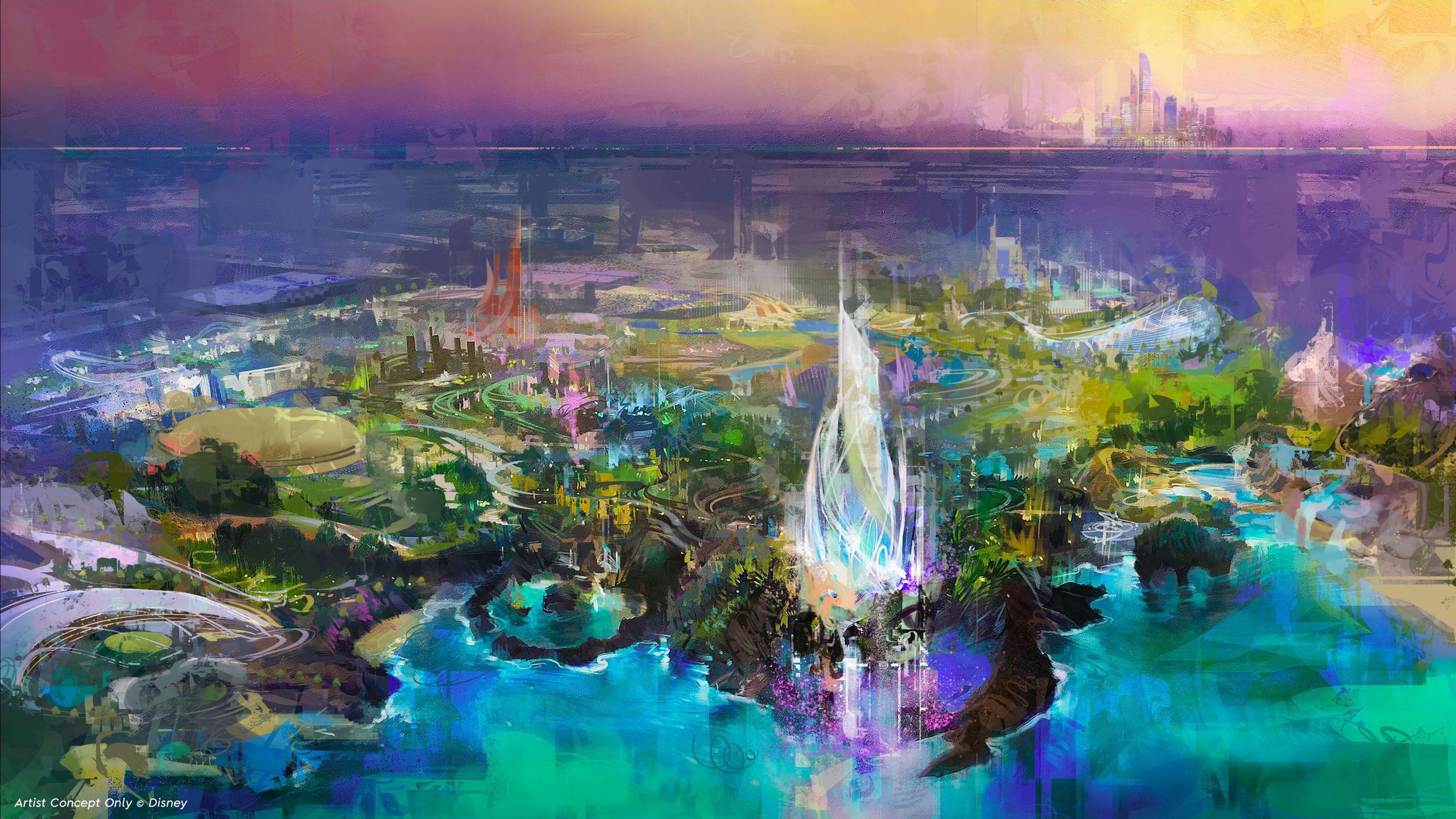
The text initiatives for boosting internal consumption and rejuvenating the services industry in China emphasize a somewhat surprising driver of economic boost: amusement parks. Including international giants such as Legoland and locally established entertainment venues, the nation is placing significant resources into these recreational locations to draw in families along with young tourists. This particular strategic approach to leisure development underscores the government’s wider vision to shift the economy from a reliance on investment-driven expansion towards one more reliant on domestic consumption.
For years, China’s rapid economic expansion was underpinned by exports and infrastructure development. However, with slowing growth, global uncertainties, and shifting demographics, policymakers have identified domestic consumption as a key driver for long-term sustainability. Within this framework, the tourism and recreation industries—particularly theme parks—are being cultivated as engines of local spending and employment.
Legoland is one of several major international brands establishing a footprint in China. New parks are under development in multiple regions, with the goal of attracting families seeking immersive and educational experiences. These projects often involve partnerships between local governments and global entertainment companies, allowing China to tap into established expertise while integrating Chinese culture and themes to appeal to domestic audiences.
The reasoning behind this investment extends beyond amusement. Theme parks are considered centers of economic activity, generating employment during their building and operation, enhancing income for hotels and restaurants, and driving retail growth. A strategically located theme park can revitalize an entire area, drawing visitors from all over the nation and providing lasting economic advantages to surrounding communities.
Moreover, the development of large-scale leisure destinations aligns with China’s broader urbanization plans. As second- and third-tier cities evolve into regional centers, they are increasingly seeking to distinguish themselves with unique attractions. Establishing theme parks helps these cities draw in visitors, build cultural identity, and enhance their reputations as modern, livable places.
The appeal of theme parks also reflects changing consumer behavior, especially among younger generations of Chinese families. With rising incomes and a growing middle class, experiences are gaining prominence over material goods. Parents are investing more in travel, leisure, and enrichment activities for their children, and theme parks provide a combination of all three. Attractions like Legoland, which blend play with learning and cultural exchange, are well-positioned to tap into this trend.
The government of China has focused more on growing the internal tourism industry, especially following the interruptions to global travel due to the COVID-19 pandemic. With a decrease in overseas trips, there is a strong motivation to improve domestic travel opportunities. This change has led to fresh investments in entertainment facilities, including theme parks, historical sites, and eco-tourism locations.
Theme parks are also consistent with wider technological goals. Numerous modern establishments utilize cutting-edge digital experiences—immersive reality, intelligent systems, and personalized data applications—transforming them not merely into places for enjoyment but also into exhibitions of China’s innovative prowess. The incorporation of smart technologies into entertainment venues improves visitor participation and facilitates more effective crowd control, a crucial aspect in a nation with such a vast population.
Despite these opportunities, challenges remain. Theme park development is capital intensive and carries long-term financial risk. Several previous ventures in China have struggled due to overestimation of demand, poor location choices, or lack of differentiation. To avoid similar pitfalls, newer projects are relying more heavily on market research, international collaboration, and phased development strategies.
Moreover, competition is intensifying. As more cities build their own parks, the market risks becoming oversaturated. This puts pressure on operators to continually innovate and maintain high standards of service. In addition, rising operational costs and shifting regulatory frameworks can complicate project timelines and profitability.
Nevertheless, experts find potential in China’s expanding leisure industry, especially when projects align with wider economic and city development objectives. Integrated resorts, which merge amusement parks with retail areas, accommodations, transport stations, and cultural centers, provide varied income sources and stability in a changing economic landscape.
For global brands such as Legoland, achieving success in China hinges on their capacity to tailor experiences while retaining their international charm. This involves modifying content to align with Chinese values and customs, providing services in two languages, and working together with local collaborators who have insights into regional markets. Reciprocally, these collaborations provide Chinese developers with access to worldwide excellence in design, safety, and operational procedures.
The backing provided by the government for these projects is also an important element. By implementing advantageous land policies, offering financial support, and simplifying approval procedures, the authorities are promoting increased investment in the entertainment sector. The long-term goal is evident: to nurture a domestic economy that is self-reliant, driven by consumption, and able to withstand external disturbances.
As China continues to recover from pandemic-era disruptions and confronts new economic challenges, the focus on theme parks and experiential consumerism represents a shift in national development priorities. By investing in joy, creativity, and shared experiences, the country is not just building attractions—it is laying the foundation for a more diversified and dynamic economy.
In this changing environment, theme parks serve as more than just spots for recreation. They play a vital role in China’s strategy to foster a consumer economy that is contemporary, inclusive, and emotionally captivating. Whether families embark on a pirate-themed adventure, take part in cultural performances, or stroll through scaled-down replicas of famous sites, their activities support a broader national objective—where fun and economic expansion are intertwined.