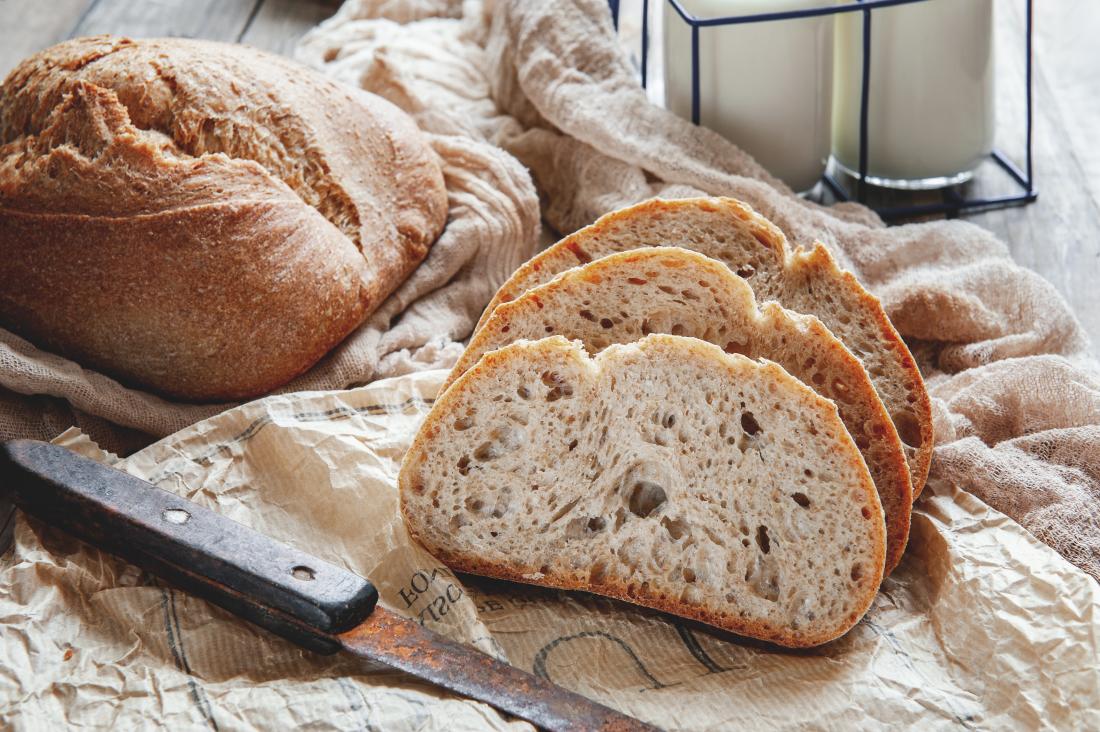
Bread is one of the oldest and most beloved foods in the world, with countless varieties spanning cultures, countries, and culinary traditions. For many people, bread is a daily staple, served at breakfast, lunch, or dinner. But not all bread is created equal. In recent years, debates over which type of bread is better for health have gained momentum, with sourdough often praised as the more wholesome option compared to the familiar white sliced loaf. The question remains: which bread should we actually be eating?
Comprehending the distinction between sourdough and regular white sliced bread involves exploring more than just their looks and flavor profiles. It necessitates investigating their production methods, their effects on the body, and their role in a well-rounded diet. Each type of bread has its own benefits, yet they provide distinct nutritional characteristics and possible health advantages.
Sourdough bread has become increasingly popular, not just due to its rustic charm but also because of the heightened awareness around fermented foods and digestive health. Classic sourdough is created through a natural fermentation method, where flour and water are mixed with wild yeast and bacteria to develop a starter. This method can require several hours or even days, giving the dough time to rise at a leisurely pace. The outcome is a loaf with a mildly tangy taste, a chewy consistency, and a characteristic crust.
What sets sourdough apart is this natural fermentation. The slow fermentation allows beneficial bacteria to break down some of the gluten and sugars present in the flour, which can make the bread easier to digest for some people. This fermentation also leads to the production of organic acids that may lower the bread’s glycemic index, meaning it could have a gentler effect on blood sugar levels compared to white sliced bread.
Moreover, sourdough’s longer fermentation can enhance the bioavailability of certain nutrients, including minerals such as magnesium, potassium, and zinc. Some studies suggest that the acids produced during fermentation can help reduce the presence of phytic acid, an anti-nutrient that binds to minerals and makes them harder for the body to absorb. This means that sourdough not only tastes unique but also may offer nutritional advantages when made using traditional methods.
Conversely, white sliced bread—commonly called sandwich bread or store bread—is generally produced using refined flour and commercial yeast. This contemporary bread-making technique is quick, efficient, and aims to create a soft, consistent texture that attracts many people. The flour used in white bread is typically extensively processed, eliminating the bran and germ, and retaining mainly the starchy endosperm. Consequently, white bread usually contains less fiber and fewer nutrients than whole-grain or sourdough options.
White sliced bread possesses a high glycemic index, indicating it breaks down rapidly and may lead to swift rises in blood sugar levels. For those dealing with conditions such as diabetes or insulin resistance, consistently eating foods with a high glycemic index might not be advisable. Moreover, the reduced fiber content in white bread implies it might be less satisfying, potentially resulting in greater hunger and eating between meals.
That said, white sliced bread is not without its merits. It is often fortified with essential nutrients, including iron and B vitamins such as folic acid, which are added back in during the manufacturing process. For some populations, especially where access to diverse foods is limited, fortified white bread can help prevent nutritional deficiencies. It is also soft, neutral in flavor, and highly versatile, making it a staple for everything from school lunches to quick sandwiches.
Another key factor to consider is digestibility. While sourdough’s fermentation makes it easier for some people to digest, particularly those with mild gluten sensitivities, others may find white bread more suitable, especially if they have sensitive stomachs or are dealing with certain gastrointestinal conditions. It’s worth noting, however, that neither sourdough nor white bread is gluten-free, so individuals with celiac disease must avoid both.
The rise of sourdough also intersects with larger trends in food culture. The pandemic saw a global surge in home baking, with many people turning to sourdough as a comforting, creative project. This hands-on approach has helped raise awareness of how bread is made and the importance of ingredient quality. Artisan sourdough bakers often use whole grains, organic flours, and fewer additives, which can result in a healthier product compared to mass-produced white sliced bread.
However, not all sourdough is created equal. Supermarket sourdoughs are sometimes made with shortcuts—using commercial yeast instead of natural fermentation or including additives to speed up the process and extend shelf life. This can diminish the potential health benefits associated with traditional sourdough. Consumers interested in authentic sourdough should look for loaves with minimal ingredients: flour, water, salt, and time.
Similarly, white sliced bread varies greatly depending on the brand and recipe. Some producers have responded to growing health concerns by offering versions with added fiber, reduced sugar, and whole-grain content. Choosing these alternatives can help improve the nutritional value without sacrificing the convenience that makes white bread so appealing to busy households.
Ultimately, the question of which bread we should be eating comes down to individual needs, preferences, and lifestyle. For those prioritizing gut health, blood sugar control, and nutrient density, a traditional sourdough made from whole grains may be the better option. The fermentation process offers unique benefits that extend beyond taste, potentially supporting a healthier digestive system and providing longer-lasting energy.
For individuals, particularly those seeking fast, reliable, and cost-effective alternatives, plain sliced bread continues to be a pragmatic option. In the context of a balanced diet abundant in fruits, vegetables, lean meats, and beneficial fats, periodically eating white bread is not expected to create major health concerns for the majority of individuals.
One key consideration that applies to both types of bread is portion size and overall dietary context. Bread, whether sourdough or white, should complement rather than dominate the plate. Pairing bread with protein-rich fillings, healthy fats, and fiber-dense vegetables can help create more balanced meals that support satiety and stable energy levels.
It’s also important to acknowledge the role of bread in culture and enjoyment. Food is not only fuel but also an expression of tradition, community, and pleasure. A crusty sourdough loaf shared at a family meal, or a simple white bread sandwich packed for a child’s lunchbox, carries meaning beyond its nutritional composition. Denying this aspect of food can lead to an overly restrictive mindset that may do more harm than good.
In the realm of nutrition, there are rarely clear-cut answers, and bread is no exception. Instead of framing the choice between sourdough and white bread as a strict either-or decision, it may be more helpful to view them as options that can coexist within a varied, mindful diet. On some days, a hearty slice of sourdough with avocado and poached eggs may be the perfect start to the morning. On others, a classic white bread toast with butter and jam may bring comfort or nostalgia.
For individuals with specific health goals—such as managing weight, improving digestion, or stabilizing blood sugar—working with a registered dietitian can offer tailored guidance on how to incorporate different types of bread in a way that aligns with those goals. Similarly, for people with food sensitivities, exploring alternatives like gluten-free or sprouted grain breads may open up additional choices.
In recent years, bread has become a lightning rod for food debates, with some diets demonizing carbohydrates altogether. Yet when viewed through a balanced lens, bread remains a valuable and versatile food that can be part of a nutritious and satisfying way of eating. The key lies in making informed choices, reading ingredient labels, and, when possible, opting for quality over convenience.
Sourdough and white sliced bread each have distinct qualities that can serve different purposes and preferences. By understanding their differences—how they are made, how they affect the body, and how they fit into the bigger picture of health—consumers can make empowered decisions that suit their individual needs.
Ultimately, the finest bread is the kind that not only provides nourishment but also delivers pleasure and contentment at mealtime.