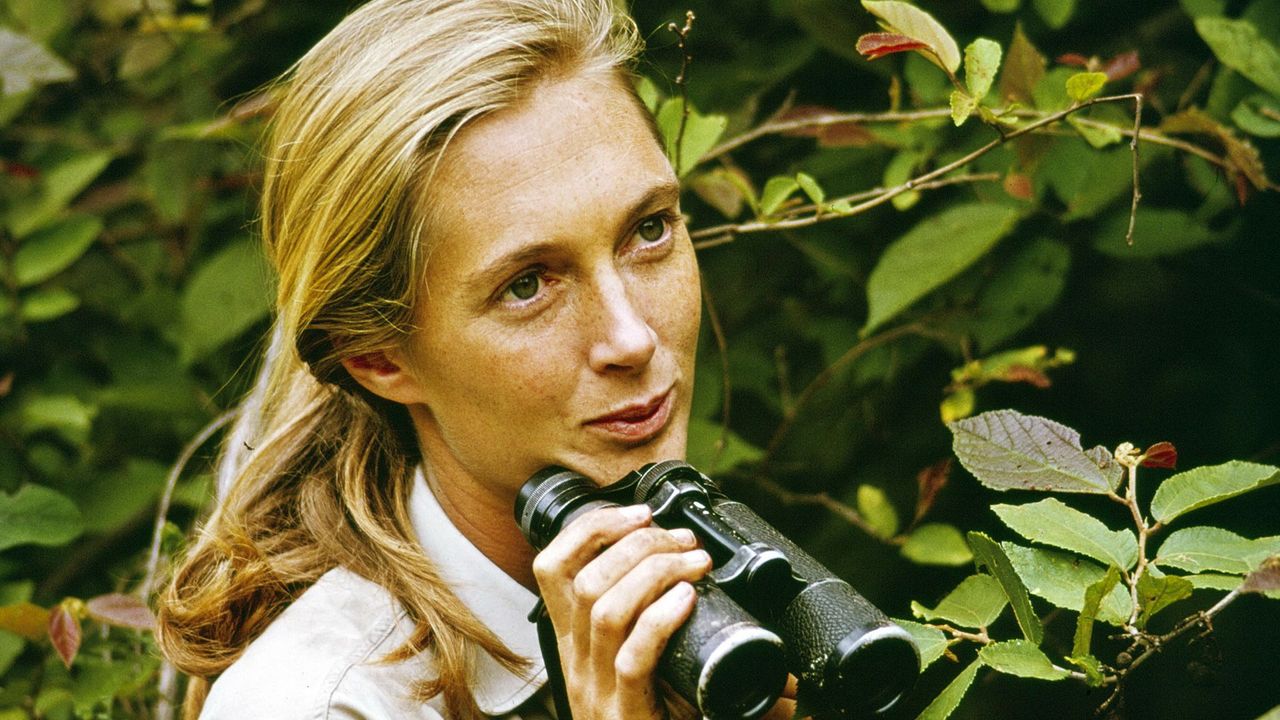
During the early 1960s, a young lady embarked on a journey into the jungles of Tanzania equipped with a notebook, binoculars, and an insatiable curiosity. Her findings would not only transform the study of primates but also alter our understanding of human beings. Her name has become associated with pioneering research, though at that time, her approaches and findings were seen as unorthodox, if not revolutionary.
Unlike numerous researchers of that time, she perceived her study subjects not merely as data, but as beings with unique characteristics, feelings, and intricate social bonds. By studying chimpanzees in their natural habitat, she recorded actions that questioned long-standing scientific notions about the difference between humans and other primates. Her research indicated that the division between humans and other animals was much less clear-cut than previously assumed.
Over years of careful observation, she discovered that chimpanzees utilize tools, show empathy, and form close social connections. Images of chimpanzees holding hands, embracing, or grooming each other starkly opposed the dominant perspective that animals are primarily driven by instinct. These instances, though simple, carried a profound message: humans are not the only beings capable of complex emotions and social interactions.
Her findings indicated that chimpanzees could demonstrate friendliness and teamwork, yet also hostility and defensiveness. By uncovering their complete spectrum of behaviors, she provided a more truthful and detailed depiction of one of our nearest evolutionary kin. This, consequently, stimulated contemplation on the essence of human conduct, questioning beliefs about our distinguishing features.
The academic circle was initially reluctant to embrace her discoveries. During an era when impartiality and distance were deemed crucial in field studies, her choice to give names to the chimpanzees instead of assigning numbers faced disapproval. However, it was this compassionate approach that enabled her to identify behavioral patterns that had been overlooked for a long time.
Her studies went further than the conduct of single animals to include the group’s interactions. She recorded conflicts for power, partnerships, maternal nurturing, and even grief among the chimpanzees. This understanding contributed to creating a novel branch of behavioral science that recognizes the emotional existence of animals and the evolutionary origins of human characteristics.
As her research gained credibility, it became clear that her findings were not just about chimpanzees—they were about all of us. By shedding light on the emotional and cognitive capabilities of nonhuman primates, she helped dismantle outdated views that had separated humans from the animal world. Her work encouraged a more ethical approach to how animals are treated, both in the wild and in captivity.
Her impact reached far past the field of science. She transformed into an international spokesperson for protecting wildlife, highlighting the significance of safeguarding habitats, not only for animals but for the overall health of ecosystems and, eventually, human welfare. Her words held authority in policy debates, educational programs, and grassroots campaigns globally.
Decades later, her early field notes and documentary footage remain powerful testaments to the depth of connection that can exist between humans and other species. Her legacy is visible in the new generation of scientists who now study animals with compassion and humility, as well as in broader cultural shifts that recognize the intrinsic value of all life.
By questioning the notion that humans are inherently distinct from other animals, she provided an opportunity for deeper insight—not only into chimpanzees but also into human nature. Her dedication throughout her life highlights that curiosity, empathy, and respect are vital instruments for exploration, with the power to revolutionize both science and society.
Initially, people may have been skeptical about the notion that animals are capable of emotions and cognition akin to humans. However, through her dedication and the presentation of proof, she succeeded in narrowing a longstanding divide in how we perceive animals. Her work has motivated ongoing exploration into the cognitive and emotional lives of animals, promoting a more empathetic and considerate perspective.
Today, her name is recognized not just for scientific achievement but for igniting a global conversation about the interconnectedness of all living beings. What began as a solitary journey into the forest became a movement—one that continues to shape how we perceive intelligence, emotion, and the shared threads of life that bind us across species.
Her story stands as a powerful example of what one person can accomplish through dedication, insight, and a willingness to question the status quo. In revealing the emotional lives of chimpanzees, she ultimately revealed something about the human spirit: its capacity to seek connection, to embrace complexity, and to grow through understanding.