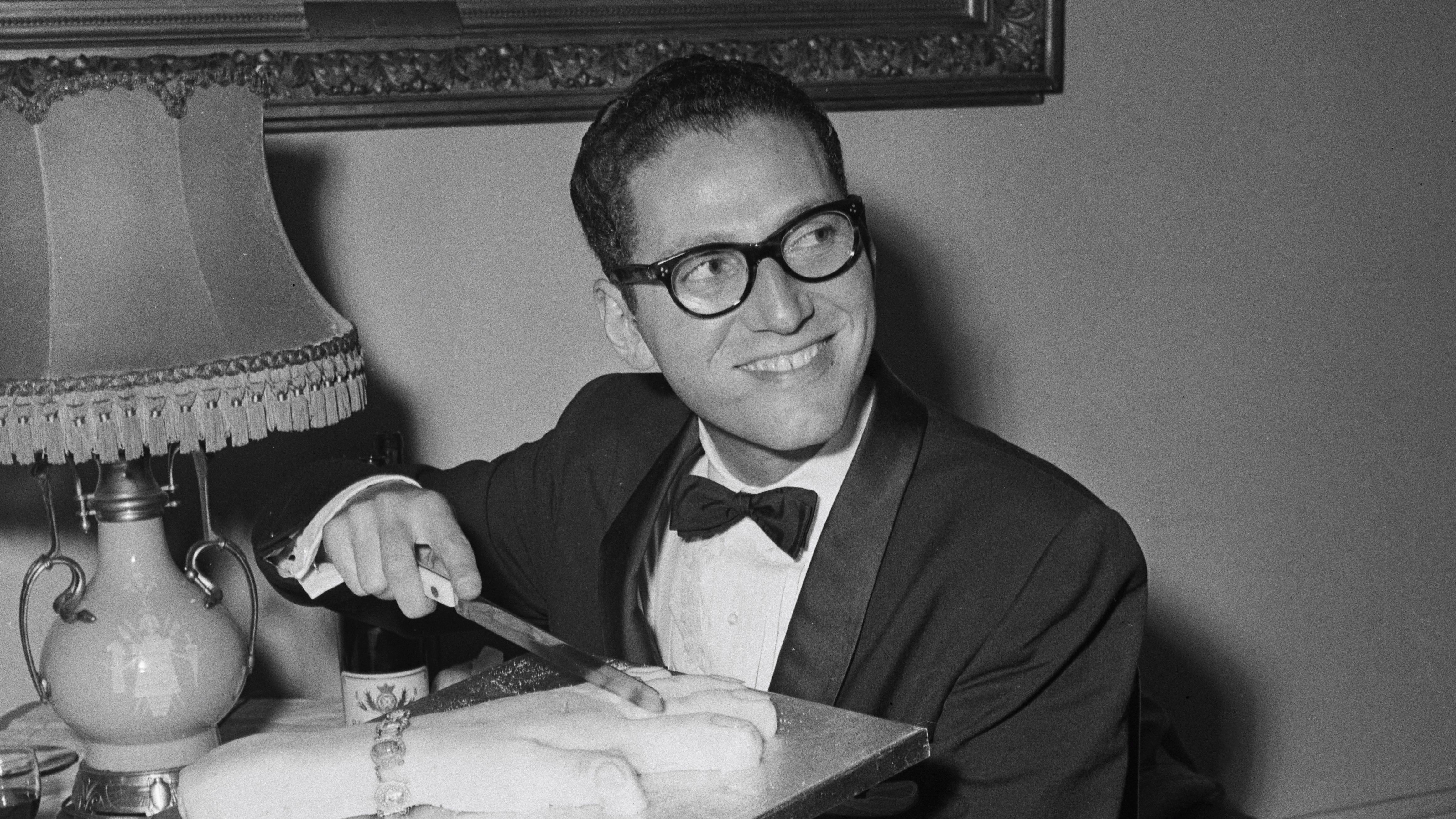
Tom Lehrer, el famoso compositor, matemático y humorista estadounidense, ha fallecido a los 97 años, según informan los medios estadounidenses. Con un legado basado en su ingenio agudo, humor mordaz y excepcional talento musical, Lehrer dejó una huella imborrable en la cultura estadounidense del siglo XX. Reconocido por sus canciones satíricas que abordaban temas desde la política y la religión hasta la educación y la guerra nuclear, Lehrer fue una figura única que utilizó la melodía como medio para expresar sus opiniones.
Born in New York City in 1928, Lehrer showed early talent in both academics and music. He studied mathematics at Harvard University, where he began writing parody songs to entertain his classmates. What started as casual amusement soon became a defining part of his career. While still a student, he recorded his debut album, Songs by Tom Lehrer (1953), which he distributed independently. Its success was largely due to word-of-mouth, driven by college students and academics who appreciated the clever lyrics and humorous critique of societal norms.
Lehrer’s musical style was deceptively simple—usually just him singing and accompanying himself on the piano—but the content was sophisticated, satirical, and often provocative. Songs like “Poisoning Pigeons in the Park” and “The Masochism Tango” turned taboo or mundane topics into absurdly comic scenarios. “The Elements,” perhaps one of his most famous pieces, set the periodic table to the tune of Gilbert and Sullivan’s “Major-General’s Song,” combining scientific precision with lyrical flair.
Although Lehrer was well-known, his music releases were few. He launched just a few records, like More of Tom Lehrer (1959) and That Was the Year That Was (1965), which was a live album influenced by his contributions to a TV show analyzing contemporary issues. Lehrer humorously observed that satire lost its relevance when Henry Kissinger received the Nobel Peace Prize—a prime illustration of his cynical wit and skepticism towards world politics.
An ongoing theme in Lehrer’s creations was his contempt for insincerity and official authority. He ridiculed the Catholic Church in “The Vatican Rag,” addressed racial issues in “National Brotherhood Week,” and satirized the U.S. military stance in “So Long, Mom (A Song for World War III).” Nevertheless, his work seldom appeared spiteful. Rather, Lehrer’s style was frequently playful, encouraging the audience to both chuckle and think deeply.
Alongside his musical career, Lehrer maintained a strong academic presence. He taught mathematics at Harvard, MIT, and UC Santa Cruz, and was deeply respected in his field. Many of his students never realized that their unassuming professor was also a cultural icon whose records had become underground hits. Lehrer himself often downplayed his fame, expressing preference for teaching over performing.
In the 1970s, at the height of his popularity, Lehrer quietly stepped away from public performance and recording. Unlike many artists of his era, he did not pursue fame or commercial success. He avoided interviews, declined television appearances, and showed little interest in reviving his musical career. Instead, he focused on academia and personal interests, including musical theater and language studies.
Though Lehrer withdrew from the spotlight, his influence only grew. His songs continued to circulate widely, cherished by fans and frequently discovered by new generations through schoolteachers, comedy records, and later, the internet. In 2020, Lehrer made headlines again when he announced that he was releasing all of his lyrics and recordings into the public domain. In a short message posted to his website, he said that everything he had ever written should be “freely available to anyone who wants it,” emphasizing that he no longer had any interest in royalties or restrictions.
This decision was in line with Lehrer’s longstanding skepticism of commercialism and his commitment to education and public discourse. By making his work freely accessible, he ensured that future audiences—especially students and educators—could explore and share his music without barriers.
Lehrer’s passing marks the end of a life that defied numerous norms. He avoided extensive touring, seldom participated in interviews, and resisted the pressures of celebrity. Despite this, he emerged as a cult idol, respected by a diverse group ranging from scientists and educators to comedians and musicians. His impact is evident in the creations of artists such as “Weird Al” Yankovic, Randy Newman, and even Stephen Sondheim, who commended Lehrer for his sharp lyrics and musical wit.
Lo que hacía a Lehrer distintivo no era solo el contenido de sus temas, sino también su estilo de presentación. En una época en la que la música popular se volvía cada vez más seria y emocional, las canciones de Lehrer recordaban a la audiencia que el humor podía ser tanto entretenido como intelectualmente estimulante. Sus composiciones abordaban las absurdidades de la Guerra Fría, las contradicciones del discurso sobre derechos civiles y los errores del excepcionalismo estadounidense, todo ello a través de la comedia con piano.
In a time characterized by widespread media presence and the influence of celebrity culture, Lehrer opted for an alternative route. He led a private life, taught with great enthusiasm, and let his creations express their value. Even many years after being made, that work still holds significant relevance. With problems like political inefficiency, cultural division, and a lack of scientific understanding continuing, Lehrer’s witty and satirical songs continue to resonate effectively.
Although Tom Lehrer is no longer among us, his voice still resonates—in classrooms through recordings, quoted by humorists, or enjoyed by students encountering his creations for the first time. His legacy encompasses not only humor but also insightful critique, daring communication, and the lasting significance of satire.