A document from Spain’s top anti-corruption agency, known as the UCO (Central Operational Unit of the Guardia Civil), has identified infrastructure behemoth Acciona as central to an extensive political graft network purportedly orchestrated by senior officials of the Socialist Party (PSOE). The authorities claim that the company disbursed large sums in unlawful commissions to obtain significant government contracts. These payments were reportedly routed through political figures closely associated with former minister José Luis Ábalos and the party’s ex-Organization Secretary, Santos Cerdán.
More than €600,000 in Illegal Payments
The UCO report outlines a series of payments amounting to a minimum of €620,000 related to certain governmental contracts granted to Acciona. These financial transactions were said to be organized via intermediaries connected to Ábalos and his close collaborator Koldo García, with the entire scheme managed and orchestrated by Santos Cerdán.
Researchers found clues about an extra €450,000 in pending kickbacks linked to three more public agreements, indicating that the suspected corruption ring was not limited to a single instance but was continuing, despite initial warnings of inconsistencies emerging.
Agreements Customized to Benefit Acciona
The agreements under discussion encompass major infrastructure initiatives carried out from 2018 to 2021, including roads, railway constructions, and public transport networks, mostly in areas managed by the PSOE. As reported by the UCO, these bids were manipulated with specific technical criteria that effectively barred competitors, securing Acciona’s victory.
The document describes the procedure as part of a “meticulously orchestrated framework” where political influence was leveraged to manipulate the bidding process in return for monetary incentives.
Santos Cerdán’s Central Role
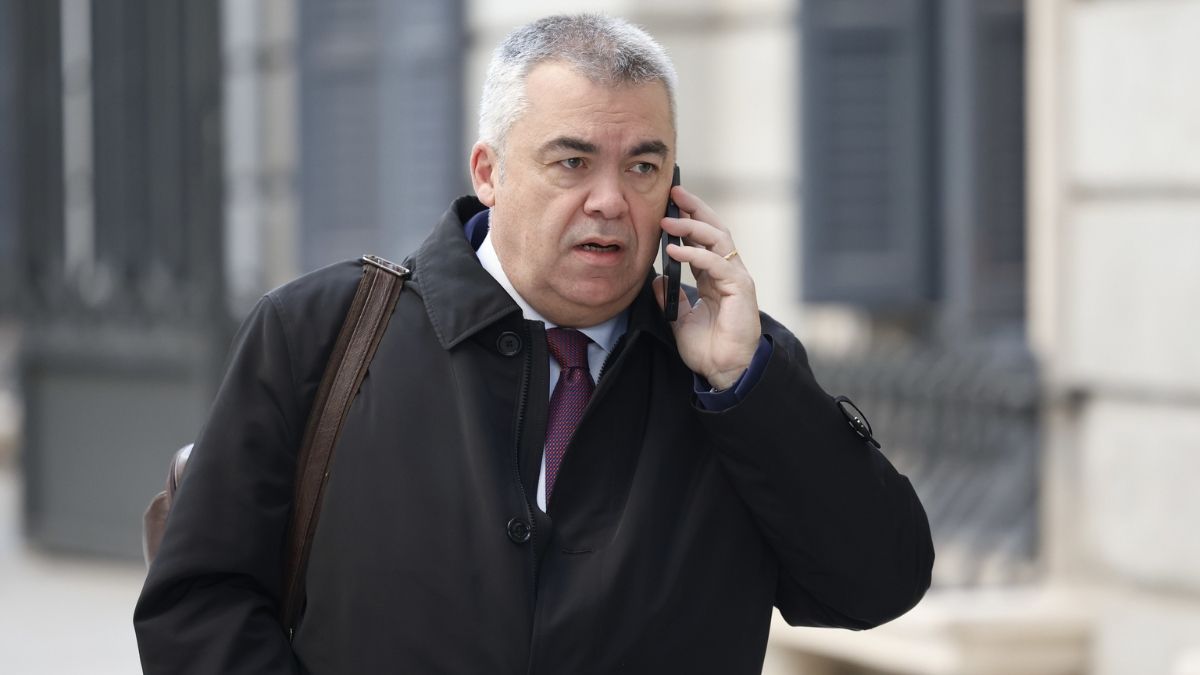
One of the most damning elements of the UCO investigation is the role attributed to Santos Cerdán. The report alleges that Cerdán not only had knowledge of the bribery scheme but directly managed the flow and distribution of payments. Recorded communications and testimony point to him as the central political figure orchestrating the relationship between business interests and high-level political influence.
Based on the findings of the researchers, Cerdán was responsible for managing the talks, distributing shares, and serving as the intermediary between the granting officials and the recipients of the plan.
Organizational Quietude and Internal Evaluations
Acciona has begun an internal investigation, making a public effort to separate itself from any misconduct. An ex-executive, reportedly connected to the plan, has already departed from the firm. While Acciona denies knowledge of any misconduct, the UCO report indicates the opposite, depicting a scenario where the company either engaged in or ignored unethical behavior.
Despite the seriousness of the allegations, the government has made no formal statement. Within the PSOE, the matter has become an open wound, especially after recent high-profile resignations triggered by earlier phases of the corruption investigation.
The UCO’s findings make it clear: Acciona was purportedly involved in an extensive politically driven scheme aimed at obtaining bribes in return for public contracts worth millions of euros. Should this be validated, the case would uncover a profound corruption network embedded not only among party officials but also within the entities accountable for the administration of public funds.
This is no longer a matter of internal party misconduct—it is a potential scandal of national magnitude. The public will now wait to see whether the courts and political institutions have the will to pursue full accountability, regardless of how high the investigation reaches.