Blog

What’s failing in the global plastics response

Why the World’s Plastic Plan Isn’t Working

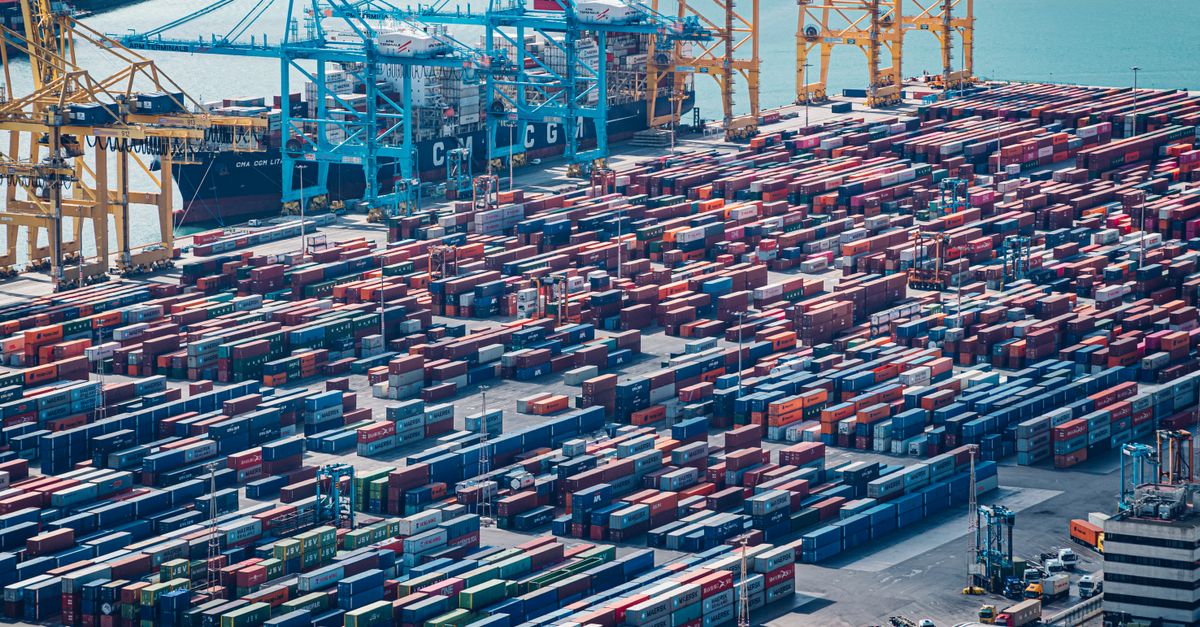
Global efforts to address plastics have delivered limited progress, while numerous challenges persist. Production keeps climbing, waste management remains underfunded, policies lean too much on voluntary measures from industry, and many touted technical solutions fail to confront the underlying drivers. Consequently, plastic pollution continues to intensify, fossil-fuel dependencies deepen, and social and environmental damages grow—most acutely in low- and middle-income countries.Failure 1 — Production keeps growing while policy focuses on end-of-lifeThe conversation remains tilted toward waste management and recycling while production of new plastics marches upward. Global production is on the order of hundreds of millions of tonnes per year…
Read More
What is Moltbook, the social networking site for AI bots – and should we be scared?

The Struggle for Global Social Media Governance

Social media platforms shape the circulation of information, influence political dynamics, drive commercial activity, and affect private life across borders. Regulating them extends far beyond drafting rules; it requires balancing divergent legal frameworks, navigating technical constraints, weighing economic motivations, accounting for political forces, bridging cultural gaps, and confronting operational challenges on an unparalleled global scale. Below, the core obstacles are outlined, illustrated with examples and data, and accompanied by practical paths for moving forward.1. Scale and Technical ConstraintsSheer volume: Platforms accommodate billions of users and handle an immense stream of posts, messages, photos, and videos each day. While automated tools…
Read More
Why food prices rise even when harvests are strong

Why Are Food Prices Rising When Harvests Are Good?

Robust harvests typically suggest lower food prices, yet the connection between production volumes and what consumers pay is anything but straightforward. Retail prices emerge from the combined influence of physical supply, logistics, regulations, financial conditions, and overall market dynamics. Even an impressive yield measured in tonnes does not necessarily translate into plentiful, low‑cost food for households. The following points outline the key mechanisms that can push food prices upward despite seemingly strong aggregate harvests.Primary factorsMismatch between global supply and exportable supply: A nation may register an abundant harvest yet ship only limited volumes abroad when domestic consumption, state purchasing programs,…
Read More
Why the world is talking about a chip race

The Chip Race Phenomenon: A World Focus

The term "chip race" evokes a worldwide push to secure dominance in semiconductor design, manufacturing, equipment and supply-chain control, with chips serving as the core technology behind smartphones, data centers, electric vehicles, telecom systems, medical tools and modern defense hardware, so when access to cutting-edge processors tightens, entire industries and national plans feel the strain, prompting companies, governments and research institutions to invest heavily in funding, policy and influence to shape the future of chip development.What is at stakeEconomic growth: Cutting-edge chip fabrication and engineering foster well-paid employment, strengthen export flows, and diffuse technological gains across numerous sectors.National security: Semiconductors…
Read More
Iranians confront a post-Khamenei reality with relief, disbelief and anxiety

Iranians confront a post-Khamenei reality with relief, disbelief and anxiety

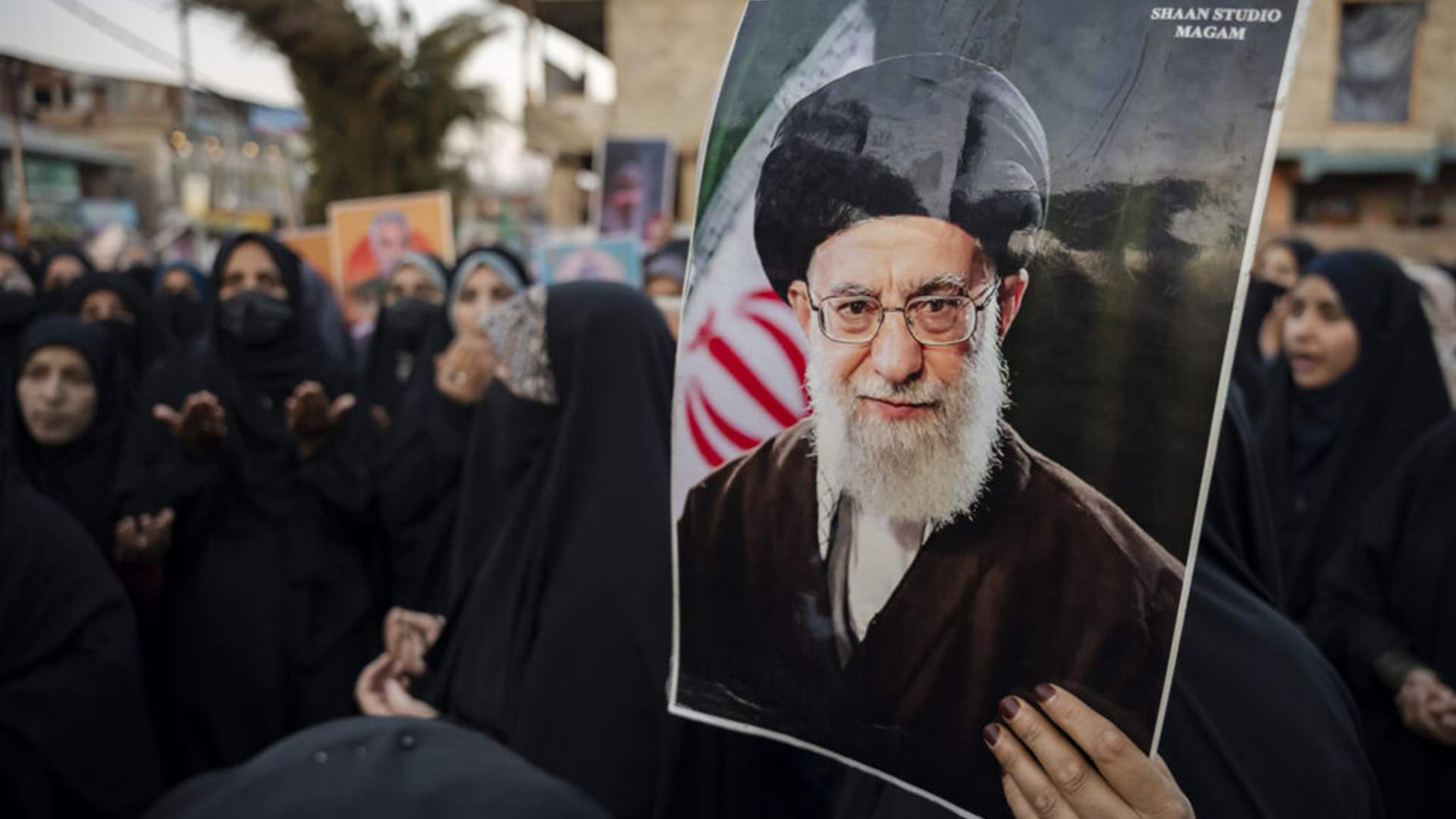
For the first time in decades, Iranians woke to a country without Ayatollah Ali Khamenei as supreme leader, following his death in coordinated US-Israeli strikes. The nation now confronts a period of deep uncertainty.Diverse reactions unfolding nationwideThe news of Khamenei’s death has provoked a wide spectrum of reactions across Iran. In the capital and other cities, some citizens expressed cautious relief, viewing the end of his decades-long rule as a potential turning point. Celebrations erupted in certain neighborhoods, with people honking horns, waving clothes, and even toppling monuments associated with the Islamic Republic’s founders. Videos circulating online from cities such…
Read More
Four years on, Russia’s war in Ukraine has transformed conflict and shattered global security

Four Years On: Russia’s War in Ukraine – Transformed Conflict & Shattered Global Security

After four years of relentless conflict, Ukraine’s war has transformed far more than its own borders. From the mechanics of modern combat to the foundations of global alliances, the repercussions now stretch across continents.What began as a full-scale invasion has evolved into a protracted struggle that is redefining warfare, diplomacy and the balance of power. For Ukraine, survival has demanded constant reinvention under fire. For Europe, the war has exposed vulnerabilities long obscured by decades of relative peace. For the United States and other global actors, it has prompted a reassessment of commitments once considered unshakeable.On the ground, Ukrainians still…
Read More
Trump the ‘demolition’ man of world order, European security experts warn

Trump: ‘Demolition’ Man Threatening World Order, Say European Experts

The international framework that has supported decades of relative stability is under growing strain, with a new global security assessment cautioning that forceful political upheaval, largely propelled by US leadership, is hastening the decline of established rules, alliances, and collective norms.According to the Munich Security Report 2026, the world has entered a phase defined by what it describes as “wrecking-ball politics,” a style of leadership that prioritizes forceful disruption over continuity and consensus. The report argues that this approach is placing the postwar international order under its most severe strain since its creation, with consequences that extend well beyond traditional…
Read More
How a distant conflict can raise the price of everyday goods

Global Conflicts & Your Wallet: Price Hikes Explained

A war or political clash occurring far from home can push up the cost of everyday items through a cascading mix of economic and logistical pressures. Today’s supply networks are deeply interconnected, and vital inputs like energy, metals, food, and shipping capacity tend to be concentrated in a few key producing areas. When turmoil interrupts production, trade routes, insurance services, or financial operations in those locations, input costs rise, and producers ultimately transfer those higher expenses to consumers.Primary transmission pathwaysCommodity supply shocks — Conflicts that interrupt exports of oil, gas, wheat, fertilizers, or metals directly reduce global supply and push…
Read More
Why energy keeps getting used as a geopolitical tool

Energy & Geopolitics: A Continuous Cycle

Energy extends far beyond fuel and electricity, serving as the foundation for industry, transportation, household well-being, and military strength. Because of this central role, it becomes a particularly powerful instrument in international affairs. Governments, corporations, and nonstate actors leverage supply, pricing, infrastructure, regulation, and technological oversight to pursue strategic objectives. This behavior endures due to four persistent factors: the uneven global distribution of resources, the long lifespan of infrastructure and contractual arrangements, the rapid economic strain caused by supply disruptions, and the wide-ranging ripple effects on alliances and domestic political dynamics.Fundamental dynamics shaping energy geopoliticsSupply manipulation: producers may restrict or…
Read More
How Rubio Shaped the Maduro Operation: A Deep Dive

How Rubio Shaped the Maduro Operation: A Deep Dive

Marco Rubio and the high-stakes U.S. gamble in post-Maduro VenezuelaThe dramatic capture of Nicolás Maduro marked a turning point in U.S.–Venezuela relations. At the center of that moment stood Marco Rubio, whose influence inside the Trump administration has reshaped Washington’s approach to Caracas and raised profound questions about what comes next for a fractured nation.On a January night charged with symbolism and consequence, U.S. military operations against Venezuela unfolded far from Washington’s traditional command centers. From Mar-a-Lago, President Donald Trump followed the raid that led to the capture of Nicolás Maduro, while beside him stood Secretary of State and National…
Read More