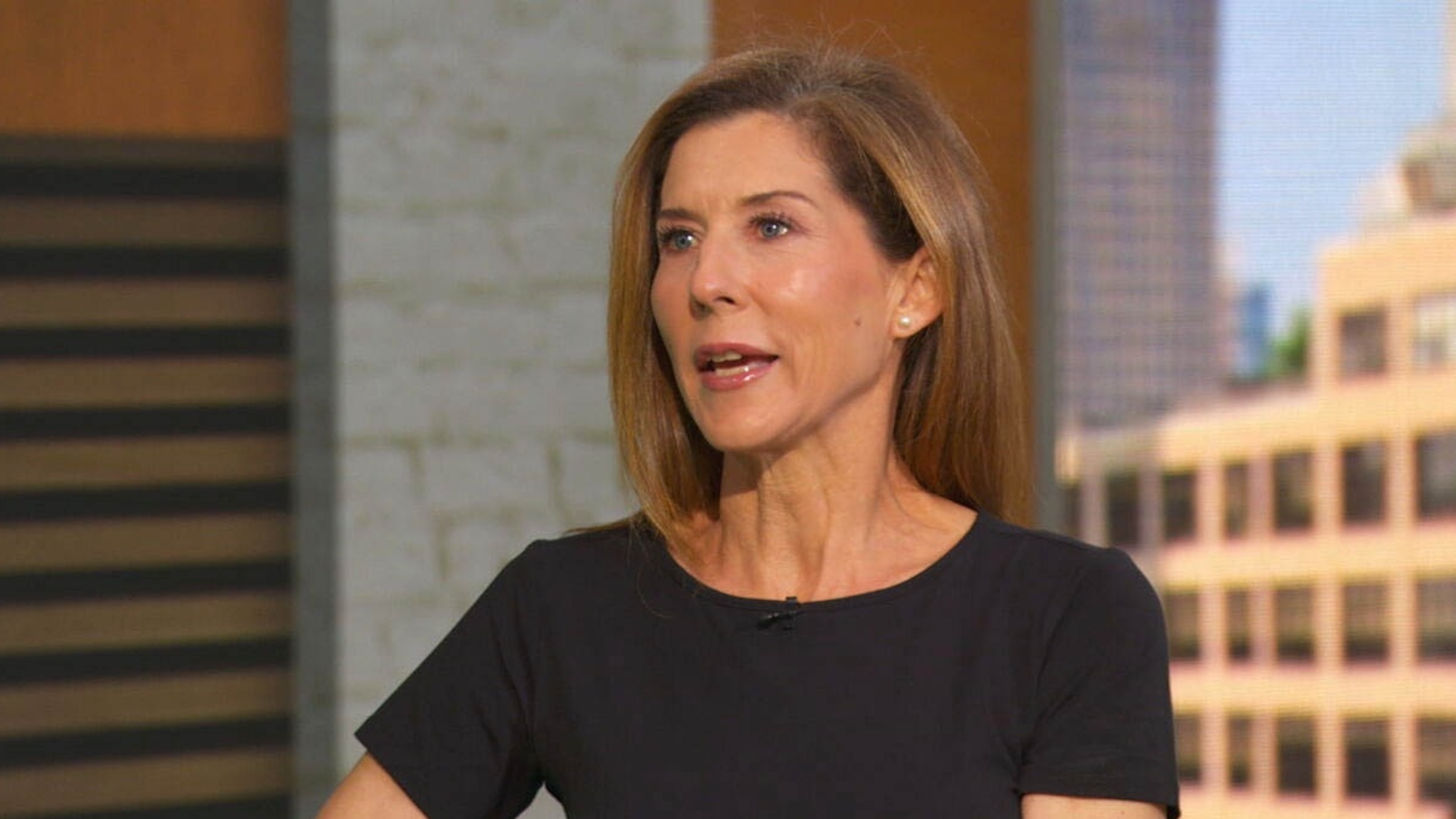
Tennis legend Monica Seles has publicly shared her diagnosis of myasthenia gravis, a rare neuromuscular autoimmune disease. The revelation comes from the nine-time Grand Slam champion, who has lived with the condition for the past three years. Seles’s decision to speak out is a poignant moment, not only for her fans but for the broader medical community, as it shines a light on a chronic illness that is often misunderstood. The news serves as a powerful reminder of her enduring resilience, a quality she has demonstrated repeatedly throughout her remarkable life and career.
Myasthenia gravis, or MG, is a debilitating condition that causes muscle weakness and fatigue. It is a chronic autoimmune disease in which the body’s immune system mistakenly attacks its own healthy cells, disrupting the communication between nerves and muscles. The symptoms often fluctuate and can include drooping eyelids, double vision, and weakness in the arms, legs, and facial muscles. For Seles, an athlete whose entire career was built on explosive power and precision, these symptoms were particularly alarming. Her diagnosis marks yet another profound challenge in a life defined by extraordinary triumphs and deeply personal struggles.
Seles first noticed the symptoms while doing what she had done for most of her life: swinging a tennis racket. She described seeing two balls instead of one and experiencing a disconcerting weakness in her limbs. These initial experiences, which were difficult to ignore, led her to seek medical help. After a lengthy diagnostic process, she was referred to a neurologist and finally received the life-altering diagnosis. This part of her story is a critical one, as it highlights the importance of recognizing and acting on unusual symptoms, particularly for a condition that can be difficult to identify.
The timing of her public announcement is particularly meaningful, coming just before the US Open, a tournament where Seles has a deep and emotional history. The New York crowd famously welcomed her back to professional tennis in 1995, following the on-court stabbing that had forced her into a two-year hiatus. Her return to the US Open final that year was an epic moment of perseverance, and her latest revelation continues that narrative of strength in the face of adversity. By speaking out now, Seles is using her platform to raise awareness and support others who may be living with the same condition, a gesture that reflects her profound sense of empathy and her desire to give back.
Seles’s journey also serves as proof of the concept of a “hard reset,” a phrase she has employed to characterize several significant changes in her life. Her first reset took place when she relocated from Yugoslavia to the United States during her adolescence to follow her tennis ambitions. The second reset occurred when she achieved peak success in her sport at a tender age, managing the fame and stress that accompanied it. The third, and most well-known, reset happened after the 1993 stabbing incident. Currently, with her myasthenia gravis diagnosis, Seles is confronting a fresh and distinct kind of reset—one that demands adjustments to her daily routine and embracing a “new normal.”
The identification of a neuromuscular condition such as myasthenia gravis poses a significant challenge for someone who was once an elite athlete. Although Seles is not currently participating in professional competitions, her physical state and abilities have always been crucial to who she is. This ailment is particularly tricky because its symptoms intensify with exertion and alleviate with repose, a harsh irony for someone whose livelihood once depended on their athletic abilities. Seles’s experience demonstrates that, even with her extraordinary mental and physical resilience, managing a long-term illness demands a core transformation in outlook and an ongoing adaptation process.
Monica Seles’s revelation about her diagnosis with myasthenia gravis is a powerful and touching moment. It is a story not just about a medical condition but about a life of incredible perseverance and courage. By sharing her journey, she is raising awareness for an important cause and offering a message of hope to others. Her life, marked by triumphant highs and devastating lows, continues to be an example of how to face life’s unexpected challenges with grace, strength, and an unwavering spirit of determination.