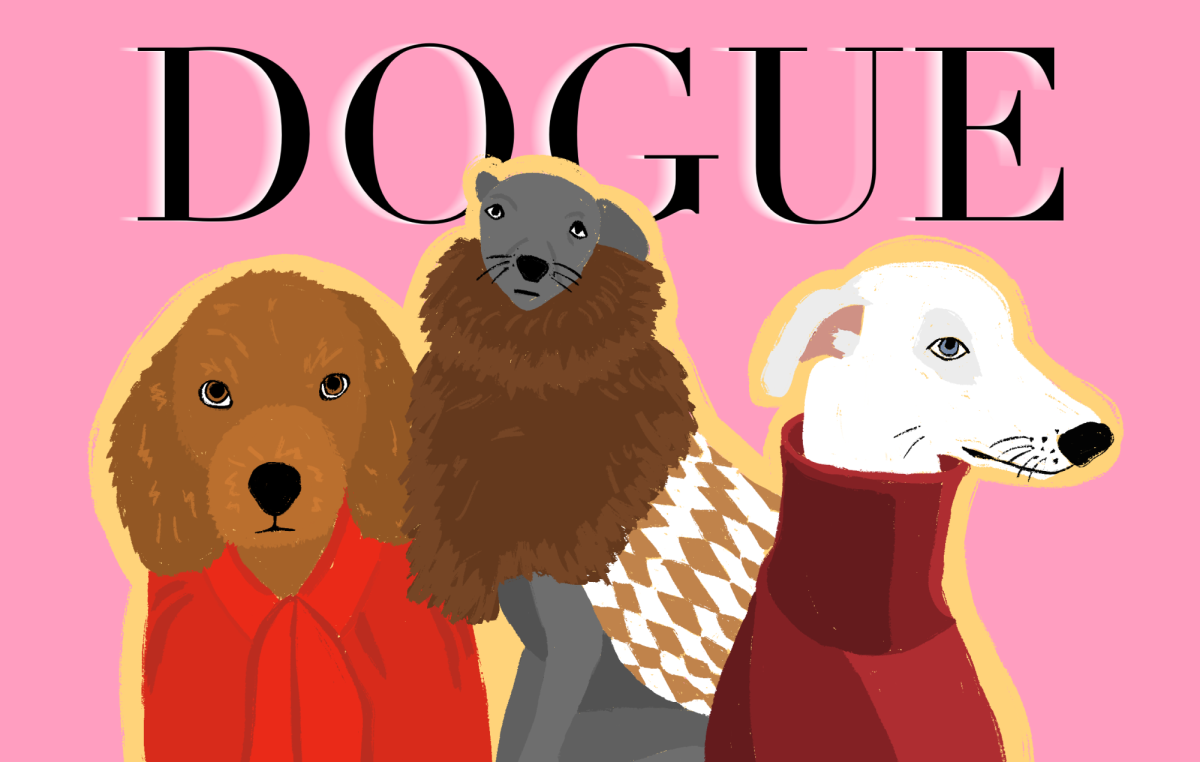
Summer has a way of stretching time, with long, warm days that seem to move slower than the calendar suggests. This period, often referred to as the dog days of summer, carries a reputation for heat, lethargy, and a certain heavy stillness in the air. The term itself has ancient origins, dating back to Roman and Greek civilizations, when people noticed the hottest days coincided with the rise of Sirius, the Dog Star, in the sky. These days have long been associated with a sense of intensity, both in temperature and in the unique rhythms of daily life that accompany them.
Throughout this period, nature appears to halt momentarily. Wildlife alters their behaviors, searching for shelter and refreshing waters, whereas flora display both intense summer flourishing and indications of stress due to the unyielding sunlight. People also experience the effects of these extended, radiant days. Activity might decrease, vitality diminishes, and the craving for leisurely, lazy afternoons becomes impossible to resist. The hottest days of summer are as much a mental occurrence as they are a weather-related one, influencing how individuals perceive this time of year.
In history, the dog days were not just a mere point on the calendar; they played a pivotal role in shaping agriculture, social traditions, and health practices. During this time, farmers arranged their planting and harvesting schedules, aware that the intense heat might impact their crop production. In literature and folklore, this period was frequently portrayed as a time of peril and unease, when tempers rose and diseases spread more easily. The convergence of astronomical phenomena, weather patterns, and human actions made the dog days a significant aspect of the yearly cycle, with their influence still apparent in contemporary living.
The human response to the dog days often involves a search for balance and relief. Air-conditioned spaces, iced beverages, and shaded retreats become necessities rather than luxuries. Many people adjust their schedules, opting for early morning or late evening activities when temperatures are more manageable. Leisure, reflection, and outdoor enjoyment coexist with strategies to mitigate heat stress, creating a seasonal rhythm that blends work, play, and self-care. In essence, the dog days of summer encourage a heightened awareness of the environment and of personal limits.
Heat, however, is not merely a physical challenge; it also affects mood and social interactions. Psychologists have long noted that extreme temperatures can influence irritability, creativity, and even decision-making. During the dog days, communities often observe shifts in behavior: people may slow down, seek quieter spaces, or embrace simpler routines. Conversely, festivals, beach trips, and summer gatherings continue, highlighting humanity’s adaptability and desire for connection despite environmental discomfort. This duality—between rest and activity, heat and relief—defines the character of these late summer days.
For those attuned to nature, the dog days present unique opportunities. Wildlife patterns shift, with birds and mammals altering feeding schedules to avoid the heat. Insects thrive in warmth, influencing plant pollination and ecological balance. Gardeners find that careful attention to watering and shade can preserve growth, while farmers must remain vigilant about soil conditions and crop hydration. Even casual observers can notice these subtle changes, gaining a deeper appreciation for the interplay between the sun’s intensity and the rhythms of life it governs.
The period known as the dog days serves as a muse for artistic endeavors. Artists have historically harnessed the season’s intense, sun-drenched ambiance to convey feelings and reflect deeply. The light quality during this time is commonly noted for being rich, lush, and nearly palpable, enhancing the vibrancy of scenes, depictions, and inanimate subjects. Music and literature often allude to this season as a symbol of fervor, persistence, or change, mirroring how individuals process and conceptualize natural occurrences. Thus, the dog days function both as a chronological signpost and a wellspring of creativity.
Health concerns are crucial during this time. Elevated temperatures and humidity can intensify dehydration, heat exhaustion, and other illnesses caused by heat. Specialists advise staying hydrated, wearing appropriate clothing, and minimizing time spent in direct sunlight. Besides physical health, mental well-being holds equal significance. Understanding how heat affects sleep, mood, and energy levels allows people to organize their activities more efficiently, ensuring surroundings that promote comfort and effectiveness regardless of outside circumstances.
Urban environments, in particular, feel the weight of the dog days. Concrete and asphalt absorb and radiate heat, often making cities several degrees warmer than surrounding rural areas. Urban planners and designers take this into account, incorporating green spaces, reflective surfaces, and water features to mitigate heat. For residents, strategies such as using public parks, adjusting commuting times, or embracing seasonal indoor activities are essential for navigating the season safely and comfortably. The dog days, therefore, influence not only individual routines but also broader aspects of urban life.
Despite the challenges, there is a beauty in the dog days of summer that many come to cherish. Long sunsets, balmy evenings, and the quiet hum of life under a golden sun create moments of stillness and reflection. The season encourages connection—to the environment, to community, and to oneself. By embracing the rhythms and limitations imposed by the heat, individuals can discover new ways to savor the season, whether through travel, hobbies, or simple appreciation of warm summer nights.
The dog days of summer represent a complex season marked by intensity, change, and contemplation. They serve as a reminder of how natural cycles affect human behavior, emphasize the importance of self-care, and offer chances for creative inspiration that comes with the season. Whether dealing with the heat in the city or the countryside, whether looking for relaxation or aiming for productivity, this time of year both tests and enhances our day-to-day lives. Recognizing the dog days promotes awareness of our environment and enhances appreciation for the distinctive traits that late summer offers.